
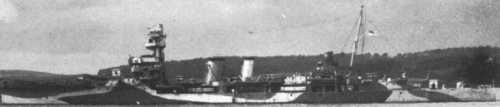
| Navy | The Royal Navy |
| Type | Light cruiser |
| Class | D |
| Pennant | D 92 |
| Built by | Vickers (Barrow-in-Furness, U.K.) |
| Ordered | Mar 1918 |
| Laid down | 3 Jun 1918 |
| Launched | 19 Apr 1919 |
| Commissioned | 24 Apr 1922 |
| End service | 2 Nov 1945 |
| History | Completed by Portsmouth Dockyard. Paid off into reserve (Category C) at Falmouth on 2 November 1945. Sold to be broken up for scrap on 5 April 1946. |
Commands listed for HMS Diomede (D 92)
Please note that we're still working on this section
and that we only list Commanding Officers for the duration of the Second World War.
| Commander | From | To | |
| 1 | Commodore Edward Bernard Cornish Dicken, DSC, OBE, RN | 31 Jul 1939 | 31 Jan 1940 |
| 2 | Capt. John Wentworth Farquhar, RN | 31 Jan 1940 | 26 Feb 1940 |
| 3 | Commodore 2nd cl. Cyril George Bucknill Coltart, RN | 26 Feb 1940 | 20 May 1940 |
| 4 | A/Cdr. David Edward Gillespie Wemyss, RN | 20 May 1940 | 20 Jun 1940 |
| 5 | Capt. John Wentworth Farquhar, RN | 20 Jun 1940 | 20 Oct 1940 |
| 6 | A/Cdr. David Edward Gillespie Wemyss, RN | 20 Oct 1940 | 13 Nov 1940 |
| 7 | Capt. John Wentworth Farquhar, RN | 13 Nov 1940 | 16 Jun 1941 |
| 8 | Capt. David Orr-Ewing, RN | 16 Jun 1941 | 19 Aug 1942 |
| 9 | Cdr. (retired) John Walter Hoskyns, RN | 19 Aug 1942 | Mar 1943 |
| 10 | Capt. Harold Taylor Wood Grant, RCN | Mar 1943 | 30 Jul 1943 |
| 11 | Cdr. (retired) John Walter Hoskyns, RN | 30 Jul 1943 | 31 Jul 1943 |
| 12 | Lt.Cdr. Henry Craig Ewen, RN | 31 Jul 1943 | 9 Aug 1943 |
| 13 | Cdr. Robert Alastair Ewing, DSC, RN | 9 Aug 1943 | 18 Feb 1945 |
| 14 | Cdr. John Michael Hodges, DSO, RN | 18 Feb 1945 |
You can help improve our commands section
Click here to Submit events/comments/updates for this vessel.
Please use this if you spot mistakes or want to improve this ships page.
Notable events involving Diomede include:
The page for this light cruiser was last updated in November 2021.
31 Aug 1939
Around 1800A/31, the Home Fleet departed Scapa Flow to patrol between Scotland, Iceland and Norway for returning German merchant vessels.
Ships that participated in this patrol were; battleships HMS Nelson (Capt. G.J.A. Miles, RN, flying the flag of Admiral J.M. Forbes, KCB, DSO, RN), HMS Rodney (Capt. E.N. Syfret, RN), aircraft carrier HMS Ark Royal (Capt. A.J. Power, RN, flying the flag of Vice-Admiral L.V. Wells, CB, DSO, RN), light cruisers HMS Aurora (Capt. G.B. Middleton, RN, flying the flag of Rear-Admiral R.H.C. Hallifax, RN), HMS Sheffield (Capt. E. de F. Renouf, CVO, RN), HMS Belfast (Capt. G.A. Scott, DSC, RN) (from the 18th Cruiser Squadron), HMS Effingham (Capt. J.M. Howson, RN), HMS Cardiff (Capt. P.K. Enright, RN), HMS Dunedin (Capt. C.E. Lambe, CVO, RN), HMS Emerald (Capt. A.W.S. Agar, VC, DSO, RN) (from the 12th Cruiser Squadron), HMS Caledon (Capt. C.P. Clark, RN), HMS Calypso (Capt. N.J.W. William-Powlett, DSC, RN), HMS Diomede (Commodore E.B.C. Dicken, OBE, DSC, RN), HMS Dragon (Capt. R.G. Bowes-Lyon, MVO, RN) (from the 7th Cruiser Squadron. These ships were escorted by destroyers from the 8th Destroyer Flotilla; HMS Faulknor (Capt. C.S. Daniel, RN), HMS Fame (Cdr. P.N. Walter, RN), HMS Fearless (Cdr. K.L. Harkness, RN), HMS Firedrake (Lt.Cdr. S.H. Norris, RN), HMS Foresight (Lt.Cdr. G.T. Lambert, RN), HMS Forester (Lt.Cdr. E.B. Tancock, RN), HMS Fortune (Cdr. E.A. Gibbs, RN), HMS Foxhound (Lt.Cdr. P.H. Hadow, RN) and HMS Fury (Cdr. G.F. Burghard, RN).
To patrol off the Skagerrak was the battlecruiser squadron which was made up of the battlecruisers HMS Hood (Capt. I.G. Glennie, RN, flying the flag of Rear-Admiral W.J. Whitworth, CB, DSO, RN), HMS Repulse (Capt. E.J. Spooner, DSO, RN) which were escorted by destroyers from the 6th Destroyer Flotilla; HMS Somali (Capt. R.S.G. Nicholson, DSC, RN), HMS Ashanti (Cdr. W.G. Davis, RN), HMS Bedouin (Cdr. J.A. McCoy, RN), HMS Eskimo (Cdr. St. J.A. Micklethwait, RN), HMS Mashona (Cdr. P.V. McLaughlin, RN), HMS Matabele (Cdr. G.K. Whitmy-Smith, RN), HMS Punjabi (Cdr. J.T. Lean, RN) and HMS Tartar (Capt. G.H. Warner, DSC, RN). These ships departed Scapa Flow around the same time.
Some of the ships had already been at sea for exercises.
The bulk of the Fleet returned to Scapa Flow in the morning of September 6th.
Most of the cruisers had acted independently to inspect shipping. HMS Caledon, HMS Calypso, HMS Cardiff and HMS Dunedin returned to Scapa Flow in the early morning of September 5th.
HMS Aurora and HMS Sheffield returned to Scapa Flow in the evening of September 5th.
HMS Belfast returned to Scapa Flow on the 6th after having joined other ships for exercises on the 5th.
HMS Diomede, HMS Dragon, HMS Effingham and HMS Emerald returned to Scapa Flow in the morning of the 7th.
Most of the destroyer had to return to Scapa Flow once to refuel, HMS Somali and HMS Ashanti were at Scapa Flow between 0100/2 and 0400/2.
HMS Faulknor, HMS Fearless, HMS Firedrake, HMS Fortune and HMS Foxhound were at Scapa Flow between 1000A/3 and 1530A/3.
HMS Bedouin, HMS Eskimo, HMS Punjabi and HMS Tartar were at Scapa Flow between 1100A/3 and 1600A/3.
HMS Fame was detached at 2359A/3 to go to the aid of the torpedoed liner Athenia but she was not needed to pick up survivors and proceeded to the Clyde arriving in the moring of the 5th having carried out an A/S sweep en-route.
HMS Matabele was detached to Scapa Flow at 1130/5. Around 2030A/5, she grounded near the boom and damaged her propellers.
HMS Foresight, HMS Forester, HMS Fury and HMS Mashona did not refuel before they returned with the Fleet in the morning of the 6th. (1)
9 Sep 1939
At 2340A/9, HMS Diomede (Commodore E.B.C. Dicken, OBE, DSC, RN) departed Scapa Flow for the Northern Patrol. (2)
16 Sep 1939
Around 1115A/16, HMS Diomede (Commodore E.B.C. Dicken, OBE, DSC, RN) returned to Scapa Flow from patrol. She had patrolled to the north of the Hebrides. (2)
18 Sep 1939
At 2155A/18, HMS Diomede (Commodore E.B.C. Dicken, OBE, DSC, RN) departed Scapa Flow for the Northern Patrol. (2)
25 Sep 1939
Around 1330A/25, HMS Diomede (Commodore E.B.C. Dicken, OBE, DSC, RN) returned to Scapa Flow from patrol. She had patrolled between Iceland and the Faeroer Islands. (2)
30 Sep 1939
At 2012A/30, HMS Diomede (Commodore E.B.C. Dicken, OBE, DSC, RN) departed Scapa Flow for the Northern Patrol. (2)
7 Oct 1939
Around 1230A/7, HMS Diomede (Commodore E.B.C. Dicken, OBE, DSC, RN) returned to Scapa Flow from patrol. She had patrolled between the Faeroer Islands and the Orkney Islands. (3)
10 Oct 1939
At 1243A/10, HMS Diomede (Commodore E.B.C. Dicken, OBE, DSC, RN) departed Scapa Flow for the Northern Patrol. (3)
15 Oct 1939
Around 1715A/15, HMS Diomede (Commodore E.B.C. Dicken, OBE, DSC, RN) arrived at Sullom Voe from patrol between Iceland and the Faeroer Islands. (3)
21 Oct 1939
At 0753A/21, HMS Diomede (Commodore E.B.C. Dicken, OBE, DSC, RN) departed Sullom Voe for the Northern Patrol. (3)
25 Oct 1939
Around 1115A/25, HMS Diomede (Commodore E.B.C. Dicken, OBE, DSC, RN) returned to Sullom Voe from a patrol to the south-west of the Faeroer Islands. (3)
27 Oct 1939
At 1708A/27, HMS Diomede (Commodore E.B.C. Dicken, OBE, DSC, RN) departed Sullom Voe for the Northern Patrol. (3)
3 Nov 1939
Around 1200A/3, HMS Diomede (Commodore E.B.C. Dicken, OBE, DSC, RN) returned to Sullom Voe from a patrol between Iceland and the Faeroer Islands. (4)
8 Nov 1939
At 1646A/8, HMS Diomede (Commodore E.B.C. Dicken, OBE, DSC, RN) departed Sullom Voe for the Northern Patrol. On departure a submarine periscope was sighted but no German submarine was in the area so the sighting must have been bogus. (4)
15 Nov 1939
Around 1225A/15, HMS Diomede (Commodore E.B.C. Dicken, OBE, DSC, RN) arrived at Loch Ewe from a patrol between Iceland and the Faeroer Islands. She had sustained some weather damage. (4)
17 Nov 1939
At 1655A/17, HMS Diomede (Commodore E.B.C. Dicken, OBE, DSC, RN) departed Loch Ewe for the Northern Patrol. She is to patrol south-west of the Faeroer Islands. (4)
23 Nov 1939
Sinking of the armed merchant cruiser HMS Rawalpindi
Around midday on 21 November 1939 the German battlecruisers Scharnhorst and Gneisenau, escorted by the light cruisers Köln and Leipzig and the destroyers Z 11 / Bernd von Arnim, Z 12 / Erich Giese and Z 20 / Karl Galster, departed Wilhelmshaven for a raid into the North Atlantic, this was to relieve the pressure of the pocket battleship Admiral Graf Spee operating in the South Atlantic. Late on the 21st the escorts left the battlecruisers.
Just after 1500A/23 the British armed merchant cruiser HMS Rawalpindi (Capt.(Retd.) E.C. Kennedy, RN) sighted the Scharnhorst. Rawalpindi was part of the British Northern Patrol and was stationed south-east of Iceland in the Iceland-Faroe gap. Captain Kennedy at first tried to get away from the German ship and report to the Admiralty that he sighted the German pocket battleship Deutschland, still believed to be operating in the North Atlantic, and so as to buy time so that other ships of the Northern patrol could come to his assistance. Just after 1600 hours, Rawalpindi came within range of the Scharnhorst and was quickly reduced to a flaming wreck. During this engagement Scharnhorst was hit by a 6in shell from Rawalpindi causing only light damage. Scharnhorst and Gneisenau together picked up 27 survivors from the Rawalpindi which finally sank around 2000 hours.
The British light cruiser HMS Newcastle (Capt J. Figgins, RN), that was also part of the Northern Patrol, picked up Rawalpindi's signal and closed the scene. She sighted the Gneisenau but the Germans managed to escape in the fog.
The Admiralty also thought the ship sighted by Rawalpindi and Newcastle was the Deutschland that was trying to return to Germany. In response to the sighting and destruction of the Rawalpindi the Admiralty took immediate action; The battleships HMS Nelson (Capt. G.J.A. Miles, RN, flying the flag of Admiral J.M. Forbes, KCB, DSO, RN) HMS Rodney (Capt. F.H.G. Dalrymple-Hamilton, RN) and the heavy cruiser HMS Devonshire (Capt. J.M. Mansfield, DSC, RN, flying the flag of Vice-Admiral J.H.D. Cunningham, CB, MVO, RN) escorted by the destroyers HMS Faulknor (Capt. C.S. Daniel, RN), HMS Fame (Cdr. P.N. Walter, RN), HMS Firedrake (Lt.Cdr. S.H. Norris, RN), HMS Foresight (Lt.Cdr. G.T. Lambert, RN), HMS Forester (Lt.Cdr. E.B. Tancock, RN), HMS Fortune (Cdr. E.A. Gibbs, RN) and HMS Fury (Cdr. G.F. Burghard, RN) departed the Clyde around 1930A/23 to patrol of Norway to cut off the way to Germany for the Deutschland.
The light cruisers HMS Southampton (Capt. F.W.H. Jeans, CVO, RN, flying the flag of Vice-Admiral G.F.B. Edward-Collins, CB, KCVO, RN), HMS Edinburgh (Capt. F.C. Bradley, RN) and HMS Aurora (Capt. G.B. Middleton, RN) escorted by the destroyers HMS Afridi (Capt. G.H. Creswell, DSC, RN), HMS Gurkha (Cdr. F.R. Parham, RN), HMS Bedouin (Cdr. J.A. McCoy, RN), HMS Kingston (Lt.Cdr. P. Somerville, RN) and HMS Isis (Cdr. J.C. Clouston, RN) departed Rosyth to patrol between the Orkney and Shetland islands.
Light cruiser HMS Sheffield (Capt. E. de F. Renouf, CVO, RN) was sent from Loch Ewe to the last known position of the German ship(s).
On northern patrol, south of the Faroes were the light cruisers HMS Caledon (Capt. C.P. Clark, RN), HMS Cardiff (Capt. P.K. Enright, RN) and HMS Colombo (Commodore R.J.R. Scott, RN). These were joined by HMS Dunedin (Capt. C.E. Lambe, CVO, RN) and HMS Diomede (Commodore E.B.C. Dicken, OBE, DSC, RN).
Of the ships of the Denmark strait patrol, the heavy cruisers HMS Suffolk (Capt. J.W. Durnford, RN) and HMS Norfolk (Capt. A.G.B. Wilson, MVO, DSO, RN) were ordered to proceed to the Bill Bailey Bank (to the south-west of the Faroe Islands).
The light cruiser HMS Glasgow (Capt. F.H. Pegram, RN) escorted by the destroyers HMS Maori (Cdr. G.N. Brewer, RN) and HMS Zulu (Cdr. J.S. Crawford, RN) were already at sea patrolling north-east of the Shetlands were to be joined by the destroyers HMS Inglefield (Capt. P. Todd, RN), HMS Imperial (Lt.Cdr. C.A.de W. Kitcat, RN), HMS Impulsive (Lt.Cdr. W.S. Thomas, RN) and HMS Imogen (Cdr. E.B.K. Stevens, RN).
The light cruisers HMS Calypso (Capt. N.J.W. William-Powlett, DSC, RN) and HMS Ceres (Capt. E.G. Abbott, AM, RN) were stationed off Kelso Light to act as a night attack striking force. The destroyers HMS Somali (Capt. R.S.G. Nicholson, DSC, RN), HMS Ashanti (Cdr. W.G. Davis, RN), HMS Mashona (Cdr. P.V. McLaughlin, RN) and HMS Punjabi (Cdr. J.T. Lean, RN) had just departed Belfast on escort duties. They were ordered to join Admiral Forbes. The ships they were escorting were ordered to return to Belfast.
The destroyers HMS Tartar (Lt.Cdr. D.E. Holland-Martin, RN), HMS Kandahar (Cdr. W.G.A. Robson, RN) and HMS Kashmir (Cdr. H.A. King, RN) departed Scapa Flow with orders to locate and shadow the German ships. HMS Tartar however had to return to Scapa Flow the next day due to a damaged rudder. The other two destroyers were ordered to join HMS Aurora which was to form a strike group of destroyers.
Despite the British effort to intercept the German ships, both German battlecruisers returned to Wilhelmshaven on the 27th.
24 Nov 1939
At 1616Z/24, HMS Diomede (Commodore E.B.C. Dicken, OBE, DSC, RN) arrived at Scapa Flow from the Northern Patrol and the search for the German pocket battleship Deutschland which the Admiralty thought was reponsible for the sinking of the armed merchant cruiser HMS Rawalpindi.
Having fuelled, HMS Diomede, departed Scapa Flow to patrol off Utvaer, Norway at 2055Z/24. (4)
2 Dec 1939
Around 1000Z/2, HMS Diomede (Commodore E.B.C. Dicken, OBE, DSC, RN) arrived at Loch Ewe from patrol. (5)
8 Dec 1939
At 1555A/8, HMS Diomede (Commodore E.B.C. Dicken, OBE, DSC, RN) departed Loch Ewe for the Northern Patrol. She is to patrol between Iceland and the Faeroer Islands. (6)
10 Dec 1939
Convoy TC 1.
This convoy of troopships departed Halifax around 0510Q/10, for the Clyde where it arrived on 17 December 1939.
The convoy was made up of the following troopships / liners; Aquitania (British, 44786 GRT, built 1914, carrying 2638 troops), Duchess of Bedford (British, 20123 GRT, built 1928, carrying 1312 troops), Empress of Australia (British, 21833 GRT, built 1914, carrying 1235 troops), Empress of Britain (British, 42348 GRT, built 1931, carrying 1303 troops) and Monarch of Bermuda (British, 22424 GRT, built 1931, carrying 961 troops),
Close escort was provided on leaving Halifax by the battleship HMS Resolution (Capt. O. Bevir, RN) and the Canadian destroyers HMCS Fraser (Cdr. W.N. Creery, RCN), HMCS Ottawa (Capt. G.C. Jones, RCN), HMCS Restigouche (Lt.Cdr. W.B.L. Holms, RCN) and HMCS St. Laurent (Lt.Cdr. H.G. de Wolf, RCN). These Canadian destroyers remained with the convoy until 12 December 1939 when they set course to return to Halifax.
Cover for the convoy was provided by the battlecruiser HMS Repulse (Capt. E.J. Spooner, DSO, RN), aircraft carrier HMS Furious (Capt. M.L. Clarke, DSC, RN), light cruiser HMS Emerald (Capt. A.W.S. Agar, VC, DSO, RN) and the destroyers HMS Hunter (Lt.Cdr. L. de Villiers, RN) and HMS Hyperion (Cdr. H.St.L. Nicholson, RN). At dusk on the 10th both destroyers were detached to join the local escort. They returned to Halifax with the Canadian destroyers.
Early on the 15th, HMS Emerald was detached, HMS Newcastle (Capt. J. Figgins, RN) had joined the cover force in the afternoon of the 14th to take her place.
When the convoy approached the British isles, the destroyers HMS Eskimo (Cdr. St.J.A. Micklethwait, RN), HMS Bedouin (Cdr. J.A. McCoy, RN), HMS Mashona (Cdr. P.V. McLaughlin, RN), HMS Somali (Capt. R.S.G. Nicholson, DSC, RN), HMS Kandahar (Cdr. W.G.A. Robson, RN), HMS Khartoum (Cdr. D.T. Dowler, RN), HMS Kingston (Lt.Cdr. P. Somerville, RN), HMS Kashmir (Cdr. H.A. King, RN), HMS Fearless (Cdr. K.L. Harkness, RN), HMS Ilex (Lt.Cdr. P.L. Saumarez, RN) and HMS Impulsive (Lt.Cdr. W.S. Thomas, RN) departed the Clyde on the 12th to sweep ahead of the convoy. HMS Imperial (Lt.Cdr. C.A.de W. Kitcat, RN) was also to have sailed but was unable to join. HMS Matabele (Cdr. G.K. Whitmy-Smith, RN) was sailed in her place and later joined the other destroyers at sea.
After German warships had been reported in the North Sea, and concerned for the safety of convoy TC.1, Admiral Forbes, departed the Clyde on the 13th to provide additional cover with the battleships HMS Warspite (Capt. V.A.C. Crutchley, VC, DSC, RN), HMS Barham (Capt. H.T.C. Walker, RN), battlecruiser HMS Hood (Capt. I.G. Glennie, RN, flying the flag of Rear-Admiral W.J. Whitworth, CB, DSO, RN) and the destroyers HMS Inglefield (Capt. P. Todd, RN), HMS Icarus (Lt.Cdr. C.D. Maud, RN), HMS Imogen (Cdr. E.B.K. Stevens, RN), HMS Imperial, HMS Isis (Cdr. J.C. Clouston, RN) and HMS Foxhound (Lt.Cdr. P.H. Hadow, RN). The destroyers HMS Forester (Lt.Cdr. E.B. Tancock, RN) and HMS Firedrake (Lt.Cdr. S.H. Norris, RN) sailed from Loch Ewe and later joined this force at sea. Three cruisers from the Northern Patrol were ordered to patrol in position 53°55’N, 25°00’W to provide cover for the convoy. These were the heavy cruisers HMS Berwick (Capt. I.M. Palmer, DSC, RN), HMS Devonshire (Capt. J.M. Mansfield, DSC, RN, flying the flag of Vice-Admiral J.H.D. Cunningham, CB, MVO, RN) and the light cruiser HMS Glasgow (Capt. F.H. Pegram, RN).
The light cruisers HMS Southampton (Capt. F.W.H. Jeans, CVO, RN), HMS Edinburgh (Cdr. C. Wauchope, RN, temporary in command) departed Rosyth to patrol between the Shetlands and the Faroes.
The destroyers HMS Afridi (Capt. G.H. Creswell, DSC, RN), HMS Maori (Cdr. G.N. Brewer, RN) and HMS Nubian (Cdr. R.W. Ravenhill, RN) departed Rosyth and proceeded north at high speed to try to cut of the enemy warhips if they were to enter the Atlantic.
The light cruisers HMS Cardiff (Capt. P.K. Enright, RN), HMS Ceres (Capt. E.G. Abbott, AM, RN), HMS Delhi (Capt L.H.K. Hamilton, DSO, RN), HMS Diomede (Commodore E.B.C. Dicken, OBE, DSC, RN) which were on the Northern Patrol were to concentrate near the Faroes where they were joined by HMS Colombo (Commodore R.J.R. Scott, RN) and HMS Dragon (Capt. R.G. Bowes-Lyon, MVO, RN) which were on passage to their patrol stations.
Around 0430Z/17, in foggy conditions, the outward bound liner Samaria (British, 19597 GRT, built 1921) collided with both HMS Furious and the Aquitania but no major damage was done to either one of the three ships.
The convoy arrived safely in the Clyde on 17 December 1939. (7)
15 Dec 1939
At 2212Z/15, HMS Diomede (Commodore E.B.C. Dicken, OBE, DSC, RN) arrived at Scapa Flow from patrol. (6)
17 Dec 1939
At 1546Z/17, HMS Diomede (Commodore E.B.C. Dicken, OBE, DSC, RN) departed Scapa Flow for the Northern Patrol. She was to patrol south of the Faeroer Islands. (6)
19 Dec 1939
In the afternoon, HMS Diomede (Commodore E.B.C. Dicken, OBE, DSC, RN), departed her patrol for Plymouth. (6)
21 Dec 1939
At 1157Z/21, HMS Diomede (Commodore E.B.C. Dicken, OBE, DSC, RN), arrived at Plymouth where she is to refit at the Devonport Dockyard. (6)
30 Dec 1939
HMS Diomede (Commodore E.B.C. Dicken, OBE, DSC, RN) is docked during her refit at the Devonport Dockyard. (6)
6 Jan 1940
HMS Diomede (Commodore E.B.C. Dicken, OBE, DSC, RN) is undocked. (8)
13 Jan 1940
With her refit completed, HMS Diomede (Commodore E.B.C. Dicken, OBE, DSC, RN), departed Plymouth for Scapa Flow. (8)
15 Jan 1940
HMS Diomede (Commodore E.B.C. Dicken, OBE, DSC, RN) arrived at Scapa Flow. (8)
16 Jan 1940
At 1517Z/16, HMS Diomede (Commodore E.B.C. Dicken, OBE, DSC, RN), departed Scapa Flow for the Northern Patrol. She is to patrol to the south of the Faeroer Islands. (8)
23 Jan 1940
At 1047Z/23, HMS Diomede (Commodore E.B.C. Dicken, OBE, DSC, RN), returned to Scapa Flow from patrol. (8)
25 Jan 1940
HMS Diomede (Commodore E.B.C. Dicken, OBE, DSC, RN) conducted gunnery exercises at Scapa Flow. (8)
26 Jan 1940
At 2102Z/26, HMS Diomede (Commodore E.B.C. Dicken, OBE, DSC, RN), departed Scapa Flow for the Northern Patrol. She is to patrol to the south of the Faeroer Islands. (8)
28 Jan 1940
Around 1800Z/28, HMS Diomede (Commodore E.B.C. Dicken, OBE, DSC, RN), departed her patrol area to proceed to Plymouth. (8)
30 Jan 1940
Around 1740Z/30, HMS Diomede (Commodore E.B.C. Dicken, OBE, DSC, RN), arrived at Plymouth. (8)
6 Feb 1940
At 1416Z/6, HMS Diomede (Capt. J.W. Farquhar, RN), departed Plymouth for Bermuda where she was to join the America and West Indies Station.
At sea she joined HMS Dunedin (Capt. C.E. Lambe, CVO, RN) which had departed Portsmouth on the 5th and which was also to proceed to Bermuda to join the America and West Indies Station.
The cruisers then proceeded in company. (9)
17 Feb 1940
Around 0830Q/17, HMS Diomede (Capt. J.W. Farquhar, RN) and HMS Dunedin (Capt. C.E. Lambe, CVO, RN), both arrived at Bermuda.
Both ships needed some repairs to weather damage they had sustained during the passage from the UK. (10)
22 Feb 1940
At 0745Q/22, HMS Diomede (Capt. J.W. Farquhar, RN), departed Bermuda for Kingston, Jamaica. (9)
25 Feb 1940
Around 1200R/25, HMS Diomede (Capt. J.W. Farquhar, RN), arrived at Kingston, Jamaica. (9)
29 Feb 1940
Around 1700R/29, HMS Diomede (Commodore C.G.B. Coltart, CVO, RN) and HMAS Perth (Capt. H.B. Farncomb, RAN) departed Kingston, Jamaica for the Panama Canal. En-route exercises were carried out. (11)
2 Mar 1940
HMS Diomede (Commodore C.G.B. Coltart, CVO, RN) and HMAS Perth (Capt. H.B. Farncomb, RAN) transited the Panama Canal westbound.
HMS Diomede immediately left for a patrol along the west coast of South America.
HMAS Perth departed the following morning for Papeete while en-route to Sydney. (11)
10 Mar 1940
During the night of 10/11 March 1940, HMS Diomede (Commodore C.G.B. Coltart, CVO, RN), fuelled from the RFA tanker Bishopdale (8406 GRT, built 1937) in San Nicolas Bay, Peru. (12)
13 Mar 1940
HMS Diomede (Commodore C.G.B. Coltart, CVO, RN) arrived at Callao / Lima, Peru. (12)
16 Mar 1940
HMS Diomede (Commodore C.G.B. Coltart, CVO, RN) departed Callao to continue her patrol along the west coast of South America. (12)
23 Mar 1940
HMS Diomede (Commodore C.G.B. Coltart, CVO, RN) arrived at Antofagasta, Chile. (12)
24 Mar 1940
HMS Diomede (Commodore C.G.B. Coltart, CVO, RN) departed Antofagasta to continue her patrol along the west coast of South America. (12)
29 Mar 1940
HMS Diomede (Commodore C.G.B. Coltart, CVO, RN) arrived at Valparaíso, Chile. (12)
31 Mar 1940
HMS Diomede (Commodore C.G.B. Coltart, CVO, RN) departed Valparaíso to continue her patrol along the west coast of South America. (12)
1 Apr 1940
Duning the night of 1/2 April 1940, HMS Diomede (Commodore C.G.B. Coltart, CVO, RN), fuelled from the RFA tanker Bishopdale (8406 GRT, built 1937) in Arauco Bay, Chile. (13)
8 Apr 1940
HMS Diomede (Commodore C.G.B. Coltart, CVO, RN) arrived at Arica, Chile. (13)
9 Apr 1940
HMS Diomede (Commodore C.G.B. Coltart, CVO, RN) departed Arica, Chile to continue her patrol along the west coast of South America. (13)
13 Apr 1940
Duning the night of 13/14 April 1940, HMS Diomede (Commodore C.G.B. Coltart, CVO, RN), fuelled from the RFA tanker Bishopdale (8406 GRT, built 1937) in San Juan Bay, Peru. (13)
15 Apr 1940
HMS Diomede (Commodore C.G.B. Coltart, CVO, RN) arrived at Callao / Lima, Peru. (13)
16 Apr 1940
HMS Diomede (Commodore C.G.B. Coltart, CVO, RN) departed Callao to continue her patrol along the coast of South America. (13)
22 Apr 1940
In the morning, HMS Diomede (Commodore C.G.B. Coltart, CVO, RN), fuelled from the RFA tanker Bishopdale (8406 GRT, built 1937) in Sechura Bay, Peru. (13)
25 Apr 1940
HMS Diomede (Commodore C.G.B. Coltart, CVO, RN) anchored of Talara, Paru. (13)
26 Apr 1940
HMS Diomede (Commodore C.G.B. Coltart, CVO, RN) departed Talara to continue her patrol along the west coast of South America. (13)
30 Apr 1940
HMS Diomede (Commodore C.G.B. Coltart, CVO, RN) fuelled from the RFA tanker Bishopdale (8406 GRT, built 1937) in Sechura Bay, Peru.
HMS Diomede remained in Sechura Bay for repairs to her port engine. (13)
2 May 1940
HMS Diomede (Commodore C.G.B. Coltart, CVO, RN) conducted a trial run of Sechura Bay. It became evident that more repairs were needed and Diomede had to return. (14)
3 May 1940
HMS Diomede (Commodore C.G.B. Coltart, CVO, RN) proceeded from Sechura Bay, Peru to Paita, Peru where she anchored. (14)
4 May 1940
HMS Diomede (Commodore C.G.B. Coltart, CVO, RN) departed Paita, Peru to continue her patrol along the west coast of South America. (14)
7 May 1940
HMS Diomede (Commodore C.G.B. Coltart, CVO, RN) arrived at Callao, Peru. (14)
8 May 1940
HMS Diomede (Commodore C.G.B. Coltart, CVO, RN) departed Callao, Peru to continue her patrol along the west coast of South America. (14)
12 May 1940
In the late afternoon / early evening, HMS Diomede (Commodore C.G.B. Coltart, CVO, RN), fuelled from the RFA tanker Bishopdale (8406 GRT, built 1937) in Parita Bay, Panama.
On completion they proceeded to the Panama Canal which they entered around 0915R/13. They exited the Canal on the east side around 2030R/13. HMS Diomede then set course for Bermuda. (14)
17 May 1940
Around 1000Q/17, HMS Diomede (Commodore C.G.B. Coltart, CVO, RN), arrived at Bermuda. (14)
20 May 1940
HMS Diomede (A/Cdr. D.E.G. Wemyss, RN) departed Bermuda for Halifax. (14)
22 May 1940
HMS Diomede (A/Cdr. D.E.G. Wemyss, RN) arrived at Halifax. (14)
24 May 1940
HMS Diomede (A/Cdr. D.E.G. Wemyss, RN) departed Halifax escorting the (troop)transport Lady Drake (Canadian, 7985 GRT, built 1928) to Kingston, Jamaica via Bermuda.
The Lady Drake had a battalion of Winnipeg Grenadiers on board. (14)
27 May 1940
HMS Diomede (A/Cdr. D.E.G. Wemyss, RN) and the (troop)transport Lady Drake (Canadian, 7985 GRT, built 1928) arrived at Bermuda.
After fuelling, HMS Diomede, departed later the same day to continue their passage to Kingston, Jamaica. (14)
2 Jun 1940
HMS Diomede (A/Cdr. D.E.G. Wemyss, RN) and the (troop)transport Lady Drake (Canadian, 7985 GRT, built 1928) arrived at Kingston, Jamaica. (15)
5 Jun 1940
HMS Diomede (A/Cdr. D.E.G. Wemyss, RN) departed Kingston, Jamaica for Bermuda via the Yucatan Channel and the Florida Strait. (16)
11 Jun 1940
HMS Diomede (A/Cdr. D.E.G. Wemyss, RN) arrived at Bermuda.
After fuelling she departed later the same day for a patrol along the US east coast from Cape Hatteras to the Florida Strait searching for Italian (and possible German) merchant vessels. (16)
19 Jun 1940
HMS Diomede (A/Cdr. D.E.G. Wemyss, RN) arrived at Bermuda from patrol. (15)
27 Jun 1940
HMS Diomede (Capt. J.W. Farquhar, RN) conducted exercises off Bermuda upon completion of which she set course to proceed to Kingston, Jamaica via the Florida Strait and the Yucatan Channel. (16)
3 Jul 1940
HMS Diomede (Capt. J.W. Farquhar, RN) arrived at Kingston, Jamaica from patrol.
After fuelling she departed for Bonaire, Netherlands West Indies escorting the merchant vessel Jamaica Producer (British, 5464 GRT, built 1934) there to pick up German pow's (for merchant ship crews).
Soon after departure she was ordered to proceed to Martinique instead.
The escort the pow's the sloop HMS Dundee (Capt.(Retd.) O.M.F. Stokes, RN) was ordered to proceed from Trinidad to Bonaire and take the place of the light cruiser. (17)
6 Jul 1940
HMS Diomede (Capt. J.W. Farquhar, RN) arrived at Castries, St. Lucia. (18)
7 Jul 1940
HMS Diomede (Capt. J.W. Farquhar, RN) departed Castries, St. Lucia to patrol off Martinique. (18)
11 Jul 1940
HMS Diomede (Capt. J.W. Farquhar, RN) returned to Castries, St. Lucia. (18)
14 Jul 1940
HMS Diomede (Capt. J.W. Farquhar, RN) departed Castries, St. Lucia for Kingston, Jamaica. (17)
17 Jul 1940
HMS Diomede (Capt. J.W. Farquhar, RN) arrived at Kingston, Jamaica. (17)
18 Jul 1940
HMS Diomede (Capt. J.W. Farquhar, RN) departed Kingston, Jamaica for Saint-Barthélemy where she was to pick up survivors from several merchant vessels sunk by the German raider Widder and transport them to Anguilla. She was then to patrol off the Sombrero Passage. (17)
20 Jul 1940
HMS Diomede (Capt. J.W. Farquhar, RN) picked up the survivors at Saint-Barthélemy and shortly afterwards landed them at Anguilla. She then proceeded on patrol off the Sombrero Passage and the passage northern approaches. (18)
23 Jul 1940
HMS Diomede (Capt. J.W. Farquhar, RN) arrived at Tortola, Virgin Islands. (18)
27 Jul 1940
HMS Diomede (Capt. J.W. Farquhar, RN) departed Tortola, Virgin Islands to resume her patrol. (18)
4 Aug 1940
HMS Diomede (Capt. J.W. Farquhar, RN) returned to Tortola, Virgin Islands to fuel from the tanker San Adolfo (7365 GRT, 1935) and then departed for Trinidad. (18)
6 Aug 1940
HMS Diomede (Capt. J.W. Farquhar, RN) arrived at Port of Spain, Trinidad where a degaussing cable was to be installed. (18)
11 Aug 1940
HMS Diomede (Capt. J.W. Farquhar, RN) departed Port of Spain, Trinidad to patrol off Barbados. (19)
14 Aug 1940
HMS Diomede (Capt. J.W. Farquhar, RN) returned to Port of Spain, Trinidad from patrol. (19)
20 Aug 1940
HMS Diomede (Capt. J.W. Farquhar, RN) departed Port of Spain, Trinidad to patrol along the shipping route towards the U.K. through approximate positions 20°00'N, 54°00'W, 25°00'N, 57°00'W and 20°00'N, 62°00'W and then proceed to St. Lucia. (20)
25 Aug 1940
HMS Diomede (Capt. J.W. Farquhar, RN) arrived at St. Lucia from patrol. (19)
27 Aug 1940
HMS Diomede (Capt. J.W. Farquhar, RN) departed St. Lucia to patrol along the U.K. - Trinidad shipping route and then return to St. Lucia. (20)
31 Aug 1940
HMS Diomede (Capt. J.W. Farquhar, RN) returned to St. Lucia from patrol. (19)
2 Sep 1940
HMS Diomede (Capt. J.W. Farquhar, RN) departed St. Lucia for Bermuda.
She was to show herself of Guadeloupe, then to proceed through the Sombrero Passage and then patrol along the Mona Passage - U.K. shipping route while en-route to Bermuda where she was to refit. (21)
6 Sep 1940
HMS Diomede (Capt. J.W. Farquhar, RN) arrived at Bermuda from patrol. (22)
10 Sep 1940
HMS Diomede (Capt. J.W. Farquhar, RN) is docked at Bermuda. (22)
16 Sep 1940
HMS Diomede (Capt. J.W. Farquhar, RN) is undocked. (22)
24 Oct 1940
With her refit completed, HMS Diomede (A/Cdr. D.E.G. Wemyss, RN), departed Bermuda for Trinidad. En-route she was to fuel from the tanker San Adolfo (7365 GRT, 1935) at Tortola and also to show herself off Guadelupe and Martinique. (23)
4 Nov 1940
HMS Diomede (A/Cdr. D.E.G. Wemyss, RN) fuelled from the tanker San Adolfo (7365 GRT, 1935) at Tortola on completion of which she continued her patrol. (24)
13 Nov 1940
HMS Diomede (A/Cdr. D.E.G. Wemyss, RN) arrived at Port of Spain, Trinidad from patrol.
Capt. Farquhar then rejoined the ship having been sick at the time HMS Diomede had sailed from Bermuda and therefore she had sailed on patrol with the 1st Officer in command of the ship. (24)
14 Nov 1940
HMS Diomede (Capt. J.W. Farquhar, RN) departed Port of Spain, Trinidad to rendezvous with the troopship Queen Elizabeth (British, 83673 GRT, built 1939) which is to call at Trinidad while en-route to Capetown.
HMS Diomede and the Queen Elizabeth arrived at Trinidad on the 16th.
They departed later the same day. HMS Diomede returned to Trinidad on the 17th. (25)
23 Nov 1940
HMS Diomede (Capt. J.W. Farquhar, RN) arrived at Curacao, Netherlands West Indies. (24)
23 Nov 1940
HMS Diomede (Capt. J.W. Farquhar, RN) departed Port of Spain, Trinidad for Curacao, Netherlands West Indies. (25)
24 Nov 1940
HMS Diomede (Capt. J.W. Farquhar, RN) departed Curacao, Netherlands West Indies to proceed to position 24°44'N, 58°21'W, where the merchant vessel Port Hobart (British, 7448 GRT, built 1925) had reported being attacked by an enemy warship. [This was in fact the pocked battleship / heavy cruiser Admiral Scheer.] (25)
26 Nov 1940
HMS Diomede (Capt. J.W. Farquhar, RN) found two empty lifeboats from the merchant vessel Port Hobart (British, 7448 GRT, built 1925). It seemed like the uccupants had been rescued by the enemy raidar. HMS Diomede then commenced to patrol to the eastwards. (25)
29 Nov 1940
HMS Diomede (Capt. J.W. Farquhar, RN) is ordered to proceed to Trinidad with despatch and refuel there. (23)
1 Dec 1940
HMS Diomede (Capt. J.W. Farquhar, RN) arrived at Trinidad.
She departed for Kingston, Jamaica later the same day. Two German merchant vessels had escaped from Tampico, Mexico and British warships were positioned to try to intercept them. (26)
3 Dec 1940
HMS Diomede (Capt. J.W. Farquhar, RN) arrived at Kingston, Jamaica. (27)
4 Dec 1940
HMS Diomede (Capt. J.W. Farquhar, RN) departed Kingston, Jamaica to patrol in the Yucatan Channel. (27)
8 Dec 1940
HMS Diomede (Capt. J.W. Farquhar, RN) intercepts the German passenger / cargo ship Idarwald (5033 GRT, built 1923) off Cape Corrientes, Cuba. Unfortunately before the German ship can be captured it is set on fire by her crew and finally sank on December 9th.
At 1320R/8, HMS Diomede sighted an US 4-stack destroyer (USS Sturtevant) escorting a merchant vessel. Course was set to intercept and speed increased to 25 knots.
At 1409R/8, a round was fired across the merchant ship bows which by now had been identified as the Idarwald. The German ship was already on fire and was being abandoned. After picking up her crew HMS Diomede went alongside. Although the fire in the engine room was soon under control, other fires were not. Also the ship was still flooding despite the use of a submersible pump. At dark HMS Diomede cast off and stood by.
At dawn on the 9th preparations were made to take the ship in tow but the ship was settling too quickly and she finally sank at 1252R/9.
HMS Diomede then set course for Kingston, Jamaica where she was to fuel and land the survivors, 45 in total, 5 of which were injured. (23)
10 Dec 1940
HMS Diomede (Capt. J.W. Farquhar, RN) arrived at Kingston, Jamaica. She departed again for patrol later the same day. (27)
11 Dec 1940
HMS Diomede (Capt. J.W. Farquhar, RN) returned to Kingston, Jamaica. (27)
19 Dec 1940
HMS Diomede (Capt. J.W. Farquhar, RN) conducted gunnery and torpedo firing exercises off Jamaica. (27)
20 Dec 1940
HMS Diomede (Capt. J.W. Farquhar, RN) departed Kingston, Jamaica for Port of Spain, Trinidad. (27)
23 Dec 1940
HMS Diomede (Capt. J.W. Farquhar, RN) arrived at Port of Spain, Trinidad. (27)
23 Dec 1940
HMS Diomede (Capt. J.W. Farquhar, RN) departed Port of Spain, Trinidad to patrol along the U.K. - Trinidad shipping route. (26)
1 Jan 1941
In the morning, HMS Diomede (Capt. J.W. Farquhar, RN), fuelled from the Bishopdale (8406 GRT, built 1937) after which she continued to patrol the U.K. - Trinidad shipping lanes. (26)
7 Jan 1941
HMS Diomede (Capt. J.W. Farquhar, RN) arrived at Bermuda from patrol. (28)
13 Jan 1941
HMS Diomede (Capt. J.W. Farquhar, RN) departed Bermuda to patrol the shipping lanes between Bermuda and the Carribean. (29)
18 Jan 1941
HMS Diomede (Capt. J.W. Farquhar, RN) returned to Bermuda from patrol. (29)
23 Jan 1941
HMS Diomede (Capt. J.W. Farquhar, RN) departed Bermuda for Kingston, Jamaica. (29)
26 Jan 1941
HMS Diomede (Capt. J.W. Farquhar, RN) arrived at Kingston, Jamaica. (29)
27 Jan 1941
HMS Diomede (Capt. J.W. Farquhar, RN) departed Kingston, Jamaica for a patrol along the west coast of South America. (29)
29 Jan 1941
HMS Diomede (Capt. J.W. Farquhar, RN) transited the Panama Canal westbound. (28)
2 Feb 1941
During the night of 2/3 February, HMS Diomede (Capt. J.W. Farquhar, RN), fuelled from the tanker San Adolfo (7365 GRT, 1935) in San Nicolas Bay, Peru. (30)
10 Feb 1941
During the night of 10/11 February, HMS Diomede (Capt. J.W. Farquhar, RN), fuelled from the tanker San Adolfo (7365 GRT, 1935) in Arauco Bay, Chile. (14)
14 Feb 1941
HMS Diomede (Capt. J.W. Farquhar, RN) arrived at Valparaíso, Chile. (30)
15 Feb 1941
HMS Diomede (Capt. J.W. Farquhar, RN) departed Valparaíso, Chile to continue her patrol along the south coast of South America. (30)
21 Feb 1941
Around noon, HMS Diomede (Capt. J.W. Farquhar, RN), fuelled from the tanker San Adolfo (7365 GRT, 1935) off San Nicolas Bay, Peru. (30)
26 Feb 1941
HMS Diomede (Capt. J.W. Farquhar, RN) arrived at Callao / Lima, Peru. (30)
27 Feb 1941
HMS Diomede (Capt. J.W. Farquhar, RN) departed Callao to continue her patrol along the west coast of South America. (30)
1 Mar 1941
Around noon, HMS Diomede (Capt. J.W. Farquhar, RN), fuelled from the tanker San Adolfo (7365 GRT, 1935) off Manta, Ecuador.
Diomede's relief on the west coast of South America, the canadian armed merchant cruiser HMCS Prince Henry (A/Capt. R.I. Agnew, OBE, RCN) is also present. (31)
4 Mar 1941
In the morning, HMS Diomede (Capt. J.W. Farquhar, RN), fuelled from the tanker San Adolfo (7365 GRT, 1935) off Cocos Island, Costa Rica.
HMS Diomede then proceeded to patrol off the Galapagos Islands. (31)
6 Mar 1941
Early on the day, HMS Diomede (Capt. J.W. Farquhar, RN), is ordered to patrol off the Gulf of Nicoya, Costa Rica. (32)
14 Mar 1941
Around noon, HMS Diomede (Capt. J.W. Farquhar, RN) and HMCS Prince Henry (A/Capt. R.I. Agnew, OBE, RCN) both fuelled from the RFA tanker Bishopdale (8406 GRT, built 1937) to the south of the Gulf of Nicoya, Costa Rica. (32)
18 Mar 1941
HMS Diomede (Capt. J.W. Farquhar, RN) passed the Panama Canal eastbound. She had been instructed to be in the Gulf of Panama by 16 March 1941 and was subsequently ordered to proceed to Jamaica on the 17th. (31)
20 Mar 1941
HMS Diomede (Capt. J.W. Farquhar, RN) arrived at Kingston, Jamaica. (31)
21 Mar 1941
HMS Diomede (Capt. J.W. Farquhar, RN) departed Kingston, Jamaica for Bermuda. (31)
24 Mar 1941
HMS Diomede (Capt. J.W. Farquhar, RN) arrived at Bermuda. (32)
27 Mar 1941
HMS Diomede (Capt. J.W. Farquhar, RN) is docked in the floating dock (AFD 1) at Bermuda. (31)
2 Apr 1941
HMS Diomede (Capt. J.W. Farquhar, RN) is undocked. (33)
4 Apr 1941
With her short refit completed, HMS Diomede (Capt. J.W. Farquhar, RN), departed Bermuda to patrol in the North Atlantic within 100 miles from position 43°00'N, 44°00'W. (34)
12 Apr 1941
HMS Diomede (Capt. J.W. Farquhar, RN) returned to Bermuda from patrol. (34)
17 Apr 1941
HMS Diomede (Capt. J.W. Farquhar, RN) departed Bermuda to patrol in the North Atlantic between positions 40°40'N, 50°00'W and 36°00'N, 45°30'W. (34)
25 Apr 1941
HMS Diomede (Capt. J.W. Farquhar, RN) returned to Bermuda from patrol.
She departed again later the same day to intercept the Spanish merchant vessel Marques de Comillas (9922 GRT, built 1928), which was reported to have the Italian Naval Attaché (Admiral Lais) in the USA onboard for passage to Europe. (34)
28 Apr 1941
HMS Diomede (Capt. J.W. Farquhar, RN) intercepted the Spanish merchant vessel Marques de Comillas (9922 GRT, built 1928) some 300 nautical miles east of the Nantucket lightship.
The Spanish ship was boarded at 1215P/28 in position 40°35'N, 58°03'W. At 1455P/28 the Spanish ship set course for Bermuda. An armed guard had been placed on board. (34)
30 Apr 1941
HMS Diomede (Capt. J.W. Farquhar, RN) and the Spanish merchant vessel Marques de Comillas (9922 GRT, built 1928) arrived at Bermuda. The Spanish ship, crew and passengers were subjected to the thorough examination. She was released on May 4th and left for Lisbon, Portugal. (34)
5 May 1941
HMS Diomede (Capt. J.W. Farquhar, RN) departed Bermuda to patrol in the Mid Atlantic. She is ordered to patrol in an area centered around position 23°00'N, 38°00'W for five days and then to proceed northwards to position 38°00'N, 38°00'W and then to return to Bermuda via her first patrol area. The tanker San Adolfo (7365 GRT, 1935) was sent with her to refuel her whenever needed. The object of the patrol was to search for enemy supply vessels. (35)
10 May 1941
Late in the morning, HMS Diomede (Capt. J.W. Farquhar, RN), fuelled from the tanker San Adolfo (7365 GRT, 1935) in approximate position 22°38'N, 40°12'W. (36)
15 May 1941
Late in the morning, HMS Diomede (Capt. J.W. Farquhar, RN), fuelled from the tanker San Adolfo (7365 GRT, 1935) in approximate position 27°53'N, 35°55'W. (36)
16 May 1941
HMS Diomede (Capt. J.W. Farquhar, RN) is ordered to proceed through position 36°00'N, 46°00'W on May 20th. (37)
20 May 1941
In the morning, HMS Diomede (Capt. J.W. Farquhar, RN), fuelled from the tanker San Adolfo (7365 GRT, 1935) in approximate position 34°26'N, 44°16'W. (36)
21 May 1941
HMS Diomede (Capt. J.W. Farquhar, RN) intercepted the Vichy-French tanker Shéhérazade (13467 GRT, built 1935) about 800 nautical miles east-south-east of Bermuda in position 29°37'N, 49°16'W.
The Canadian armed merchant cruiser HMCS Prince David (Cdr. K.F. Adams, RCN) which had also been ordered to search for the tanker arrived at the spot about two hours later. (36)
24 May 1941
HMS Diomede (Capt. J.W. Farquhar, RN) and the Vichy-French tanker Shéhérazade (13467 GRT, built 1935) arrived at Bermuda. (36)
30 May 1941
HMS Diomede (Capt. J.W. Farquhar, RN) departed Bermuda. She is to make rendezvous with the RFA tanker Bishopdale (8406 GRT, built 1937) on 1 June 1941 in position 27°00'N, 52°00'W at 1200Z/1 and then patrol along latitude 25°N to the west of 45°W. (35)
2 Jun 1941
Late in the morning, HMS Diomede (Capt. J.W. Farquhar, RN), fuelled from the RFA tanker Bishopdale (8406 GRT, built 1937) in approximate position 27°40'N, 47°21'W. (38)
5 Jun 1941
HMS Diomede (Capt. J.W. Farquhar, RN) is ordered to return to Bermuda. (37)
7 Jun 1941
HMS Diomede (Capt. J.W. Farquhar, RN) arrived at Bermuda from patrol. (39)
8 Jun 1941
HMS Diomede (Capt. J.W. Farquhar, RN) departed Bermuda for patrol. She is ordered to patrol near position 34°00'N, 45°00'W. (39)
11 Jun 1941
HMS Diomede (Capt. J.W. Farquhar, RN) is ordered to proceed to position 32°00'N, 43°00'W to search for an enemy supply vessel. (37)
15 Jun 1941
HMS Diomede (Capt. J.W. Farquhar, RN) returned to Bermuda from patrol. (39)
18 Jun 1941
HMS Diomede (Capt. D. Orr-Ewing, RN) departed Bermuda to make rendezvous with the captured German supply vessel / tanker Lothringen (10746 GRT, built 1940) and escort her to Bermuda. (39)
19 Jun 1941
In the early evening, HMS Diomede (Capt. D. Orr-Ewing, RN), made rendezvous with the captured German supply vessel / tanker Lothringen (10746 GRT, built 1940). (38)
21 Jun 1941
HMS Diomede (Capt. D. Orr-Ewing, RN) and the captured German supply vessel / tanker Lothringen (10746 GRT, built 1940) arrived at Bermuda.
HMS Diomede is then taken in hand for refit. (39)
13 Aug 1941
HMS Diomede (Capt. D. Orr-Ewing, RN) is docked at Bermuda. (40)
16 Aug 1941
HMS Diomede (Capt. D. Orr-Ewing, RN) is undocked. (40)
28 Aug 1941
With her refit completed, HMS Diomede (Capt. D. Orr-Ewing, RN), departed Bermuda to patrol around position 20°00'N, 60°00'W to provide cover for individually routed merchant ships. (41)
29 Aug 1941
HMS Diomede (Capt. D. Orr-Ewing, RN) arrived back at Bermuda with defects. (41)
4 Sep 1941
During the night of 4/5 September 1941, HMS Diomede (Capt. D. Orr-Ewing, RN) and HMS Caradoc (Capt. J.S. Bethell, RN) conducted exercises off Bermuda. The exercises continued until the afternoon of the 5th. (42)
6 Sep 1941
HMS Diomede (Capt. D. Orr-Ewing, RN, flying the flag of Vice-Admiral C.E. Kennedy-Purvis, KCB, RN) departed Bermuda for Port of Spain, Trinidad. (42)
9 Sep 1941
HMS Diomede (Capt. D. Orr-Ewing, RN, flying the flag of Vice-Admiral C.E. Kennedy-Purvis, KCB, RN) arrived at Port of Spain, Trinidad. (42)
12 Sep 1941
HMS Diomede (Capt. D. Orr-Ewing, RN, flying the flag of Vice-Admiral C.E. Kennedy-Purvis, KCB, RN) departed Port of Spain, Trinidad for St.Lucia. (43)
13 Sep 1941
HMS Diomede (Capt. D. Orr-Ewing, RN, flying the flag of Vice-Admiral C.E. Kennedy-Purvis, KCB, RN) paid visits to St. Lucia and Dominica. (43)
14 Sep 1941
HMS Diomede (Capt. D. Orr-Ewing, RN, flying the flag of Vice-Admiral C.E. Kennedy-Purvis, KCB, RN) paid a visit to Antigua. She then set course for Bermuda. (43)
16 Sep 1941
HMS Diomede (Capt. D. Orr-Ewing, RN, flying the flag of Vice-Admiral C.E. Kennedy-Purvis, KCB, RN) arrived at Bermuda. (43)
19 Sep 1941
HMS Diomede (Capt. D. Orr-Ewing, RN) departed Bermuda for Kingston, Jamaica. (43)
22 Sep 1941
HMS Diomede (Capt. D. Orr-Ewing, RN) arrived at Kingston, Jamaica. (43)
23 Sep 1941
HMS Diomede (Capt. D. Orr-Ewing, RN) departed Kingston, Jamaica for Colon, Panama. (43)
25 Sep 1941
HMS Diomede (Capt. D. Orr-Ewing, RN) passed the Panama Canal westbound and arrived at Balboa. (43)
26 Sep 1941
HMS Diomede (Capt. D. Orr-Ewing, RN) departed Balboa for San Diego, California, USA. (43)
4 Oct 1941
HMS Diomede (Capt. D. Orr-Ewing, RN) arrived at San Diego, California, USA. (44)
5 Oct 1941
HMS Diomede (Capt. D. Orr-Ewing, RN) departed San Diego for Escquimalt. (44)
8 Oct 1941
HMS Diomede (Capt. D. Orr-Ewing, RN) arrived at Escquimalt. (44)
15 Oct 1941
HMS Diomede (Capt. D. Orr-Ewing, RN) departed Escquimalt for San Francisco, California, USA. (44)
17 Oct 1941
HMS Diomede (Capt. D. Orr-Ewing, RN) arrived at San Francisco, California, USA. (44)
18 Oct 1941
HMS Diomede (Capt. D. Orr-Ewing, RN) departed San Francisco, California, USA for patrol. (45)
25 Oct 1941
Early in the afternoon, HMS Diomede (Capt. D. Orr-Ewing, RN), fuelled from the RFA tanker Orangeleaf (5927 GRT, built 1917) in position 12°01'N, 92°48'W. (45)
4 Nov 1941
In the morning, HMS Diomede (Capt. D. Orr-Ewing, RN), fuelled from the RFA tanker Orangeleaf (5927 GRT, built 1917) north of the Galapagos Islands in approximate position 01°24'N, 91°12'W. (46)
7 Nov 1941
HMS Diomede (Capt. D. Orr-Ewing, RN) arrived at Balboa, Panama. (47)
8 Nov 1941
HMS Diomede (Capt. D. Orr-Ewing, RN) departed Balboa, Panama to patrol west of the Galapagos Islands. (47)
14 Nov 1941
In the morning, HMS Diomede (Capt. D. Orr-Ewing, RN), fuelled from the RFA tanker Orangeleaf (5927 GRT, built 1917) west of the Galapagos Islands in approximate position 00°12'N, 101°18'W. (46)
18 Nov 1941
In the morning, HMS Diomede (Capt. D. Orr-Ewing, RN), fuelled from the RFA tanker Orangeleaf (5927 GRT, built 1917) west of the Galapagos Islands in approximate position 00°40'N, 100°20'W. (46)
22 Nov 1941
In the morning, HMS Diomede (Capt. D. Orr-Ewing, RN), fuelled from the RFA tanker Orangeleaf (5927 GRT, built 1917) south of the Galapagos Islands in approximate position 02°30'S, 91°24'W. (46)
24 Nov 1941
HMS Diomede (Capt. D. Orr-Ewing, RN) arrived at Talara, Peru. (46)
25 Nov 1941
HMS Diomede (Capt. D. Orr-Ewing, RN) departed Talara to resume her patrol off the Galapagos Islands. (46)
10 Dec 1941
HMS Diomede (Capt. D. Orr-Ewing, RN) arrived at Balboa, Panama from patrol. (46)
13 Dec 1941
Around 1600R/13, the British light cruiser HMS Diomede (Capt. D. Orr-Ewing, RN) departed Balboa to escort the Norwegian transport Ferncliff (4333 GRT, built 1924) to the Galapagos Islands where the Americans were building a base on Seymour Island.
Around 1100R/14, the American light cruiser USS Richmond (Capt. J.H. Brown, Jr., USN) joined company followed around 1330R/14 by her sister ship USS Trenton (Capt. A.D. Struble, USN).
Around 0730RS/17, USS Trenton, USS Richmond and the Ferncliff were detached to Seymour Island. HMS Diomede set course to return to Balboa. USS Trenton rejoined her around 1430RS/17 and HMS Richmond did the same around 1600RS/17.
They arrived at Balboa, Panama Canal Zone around 1700R/19. (48)
20 Dec 1941
HMS Diomede (Capt. D. Orr-Ewing, RN) departed Balboa, transited the Panama Canal eastbound and departed Colon for Bermuda. (48)
24 Dec 1941
HMS Diomede (Capt. D. Orr-Ewing, RN) arrived at Bermuda.
HMS Diomede was in need of repairs to her boilers. (48)
2 Jan 1942
HMS Diomede (Capt. D. Orr-Ewing, RN) is docked at Bermuda. (49)
15 Jan 1942
HMS Diomede (Capt. D. Orr-Ewing, RN) is undocked. (49)
19 Jan 1942
HMS Diomede (Capt. D. Orr-Ewing, RN) conducted gunnery exercises off Bermuda. (49)
20 Jan 1942
HMS Diomede (Capt. D. Orr-Ewing, RN) departed Bermuda for Trinidad. (49)
24 Jan 1942
HMS Diomede (Capt. D. Orr-Ewing, RN) arrived at Trinidad. She came now under American operational control. (49)
2 Feb 1942
HMS Diomede (Capt. D. Orr-Ewing, RN) conducted exercises off Trinidad. (50)
5 Feb 1942
HMS Diomede (Capt. D. Orr-Ewing, RN) departed Trinidad for patrol. She is ordered to patrol to the east of Trinidad between 08°00'N to 12°00'N and 37°30'W.
She was to proceed through the following positions 12°00'N, 50°00'W at 1600Z/7. 10°00'N, 40°00'W at 1300Z/9. 08°00'N, 50°00'W at 1000Z/11. ETA to arrive back at Trinidad was 1300Z/13. (50)
13 Feb 1942
HMS Diomede (Capt. D. Orr-Ewing, RN) returned to Trinidad from patrol around 0900Q/13.
She departed again for another patrol to the east of Trinidad around 1530Q/13. She was to proceed trough positions 12°00'N, 39°00'W at 1800Z/17. 10°00'N, 50°00'W at 1600Z/19. ETA to arrive back at Trinidad was 1800Z/21. (50)
22 Feb 1942
HMS Diomede (Capt. D. Orr-Ewing, RN) arrived at Trinidad from patrol around 1915Q/22. (50)
23 Feb 1942
During 23/24 February 1942, HMS Diomede (Capt. D. Orr-Ewing, RN), was at sea off Trinidad, presumably for exercises. (50)
28 Feb 1942
Around 1700Q/28, HMS Diomede (Capt. D. Orr-Ewing, RN), departed Trinidad for patrol which was to end at Recife. (50)
7 Mar 1942
Around 0900PO/28, HMS Diomede (Capt. D. Orr-Ewing, RN), arrived at Recife from patrol. (50)
8 Mar 1942
Around 0900PO/8, HMS Diomede (Capt. D. Orr-Ewing, RN), departed Recife for patrol which was to end at Montevideo. (51)
16 Mar 1942
Around 1000P/8, HMS Diomede (Capt. D. Orr-Ewing, RN), arrived at Montevideo from patrol. (51)
17 Mar 1942
Around 0930P/17, HMS Diomede (Capt. D. Orr-Ewing, RN), departed Montevideo for patrol. She was ordered to patrol the area to the east of a line drawn between positions 30°00'S, 41°30'W and 40°00'S, 50°00'W. She was ordered to return to Montevideo on 24 March. (51)
24 Mar 1942
Around 1000P/17, HMS Diomede (Capt. D. Orr-Ewing, RN), returned to Montevideo from patrol. (51)
27 Mar 1942
Around 1600P/27, HMS Diomede (Capt. D. Orr-Ewing, RN), departed Montivideo for another patrol east of the Rio de la Plata. She was to return to Montivideo on 6 April. (51)
6 Apr 1942
Around 1600P/6, HMS Diomede (Capt. D. Orr-Ewing, RN), returned to Montevideo from patrol. (52)
15 Apr 1942
Around 1500P/15, HMS Diomede (Capt. D. Orr-Ewing, RN), departed Montevideo for Port Stanley, Falkland Islands. (52)
19 Apr 1942
Around 1000Q/19, HMS Diomede (Capt. D. Orr-Ewing, RN), arrived at Port Stanley, Falkland Islands. (52)
20 Apr 1942
Around 1230Q/20, HMS Diomede (Capt. D. Orr-Ewing, RN), departed Port Stanley, Falkland Islands for patrol which was to end at Montevideo on 28 April 1942. (52)
30 Apr 1942
Around 1030P/30, HMS Diomede (Capt. D. Orr-Ewing, RN), arrived at Montevideo from patrol. (52)
1 May 1942
Around 1000P/1, HMS Diomede (Capt. D. Orr-Ewing, RN), departed Montevideo to patrol to the east of the Rio de la Plata. She was to return around 7 May but this was later amended to 11 May. (53)
12 May 1942
Around 0930P/12, HMS Diomede (Capt. D. Orr-Ewing, RN), returned to Montivideo from patrol. (53)
14 May 1942
Around 0930P/14, HMS Diomede (Capt. D. Orr-Ewing, RN), departed Montevideo to patrol to the east of the Rio de la Plata. She was to return around 23 May. (53)
23 May 1942
Around 1000P/23, HMS Diomede (Capt. D. Orr-Ewing, RN), returned to Montevideo from patrol. (53)
31 May 1942
HMS Diomede (Capt. D. Orr-Ewing, RN) conducted engine trials off Montevideo. (53)
6 Jun 1942
HMS Diomede (Capt. D. Orr-Ewing, RN) was released from the American Task Force 23 and reverted to British control. For the moment she had to remain at Montivideo to complete repairs to her main engines. On completion of these repairs she was to proceed to the UK to refit. (54)
25 Jun 1942
HMS Diomede (Capt. D. Orr-Ewing, RN) departed Montevideo for Recife. (54)
1 Jul 1942
HMS Diomede (Capt. D. Orr-Ewing, RN) arrived at Recife. (55)
2 Jul 1942
HMS Diomede (Capt. D. Orr-Ewing, RN) departed Recife for Freetown. (55)
7 Jul 1942
HMS Diomede (Capt. D. Orr-Ewing, RN) arrived at Freetown. (55)
8 Jul 1942
HMS Diomede (Capt. D. Orr-Ewing, RN) departed Freetown for Gibraltar. (55)
14 Jul 1942
HMS Diomede (Capt. D. Orr-Ewing, RN) arrived at Gibraltar. She departed for Rosyth later the same day. (55)
20 Jul 1942
HMS Diomede (Capt. D. Orr-Ewing, RN) arrived at Rosyth where she subsequently was taken in hand for refit and machinery repairs.
It was originally estimated that these would be completed in December 1942. However delays occured to to priority been given to other work. (56)
12 Sep 1942
HMS Diomede (Cdr.(Retd.) J.W. Hoskyns, RN) and HMS Volunteer (No C.O. ship was in dockyard control) entered No.1 graving dock at the Rosyth Dockyard. They were docked down on the 14th. (57)
16 Oct 1942
HMS Diomede (Cdr.(Retd.) J.W. Hoskyns, RN) and HMS Volunteer (No C.O. ship was in dockyard control) were undocked.
During the undocking of HMS Diomede she struck the dock wall with her port propeller resulting in the port gland space flooding. She was docked again in No.1 graving dock later the same day for repairs. (58)
19 Oct 1942
HMS Diomede (Cdr.(Retd.) J.W. Hoskyns, RN) is undocked. (58)
26 Mar 1943
HMS Diomede (Capt. H.T.W. Grant, RCN) is docked in No.1 Dock at Rosyth. (59)
14 Apr 1943
HMS Diomede (Capt. H.T.W. Grant, RCN) is undocked. (60)
15 May 1943
HMS Diomede (Capt. H.T.W. Grant, RCN) is docked in No.1 Dock at Rosyth. (61)
17 May 1943
HMS Diomede (Capt. H.T.W. Grant, RCN) is undocked. (61)
11 Jun 1943
HMS Diomede (Capt. H.T.W. Grant, RCN) conducted DG trials in the Firth of Forth. (62)
13 Jun 1943
HMS Diomede (Capt. H.T.W. Grant, RCN) conducted gunnery trials in the Firth of Forth. (62)
14 Jun 1943
HMS Diomede (Capt. H.T.W. Grant, RCN) departed Rosyth for Scapa Flow. (62)
15 Jun 1943
HMS Diomede (Capt. H.T.W. Grant, RCN) arrived at Scapa Flow to commence a work-up period. (62)
17 Jun 1943
During 17/18 June 1943, HMS Norfolk (A/Capt. J.S.S. Litchfield-Speer, RN) and HMS Diomede (Capt. H.T.W. Grant, RCN) conducted exercises off Scapa Flow. These included night exercises. (63)
19 Jun 1943
HMS Diomede (Capt. H.T.W. Grant, RCN) conducted gunnery exercises off Scapa Flow. (62)
23 Jun 1943
HMS Diomede (Capt. H.T.W. Grant, RCN) conducted exercises off Scapa Flow. (62)
25 Jun 1943
During 25/26 June 1943, HMS Diomede (Capt. H.T.W. Grant, RCN) and HMS Glasgow (Capt. E.M. Evans-Lombe, RN), conducted exercises off Scapa Flow. These included night exercises. (64)
29 Jun 1943
HMS Diomede (Capt. H.T.W. Grant, RCN) conducted exercises at Scapa Flow. (62)
3 Jul 1943
HMS Diomede (Capt. H.T.W. Grant, RCN) conducted DG trials and compass calibration trials Scapa Flow. (65)
6 Jul 1943
The battleships HMS Duke of York (Capt. G.E. Creasy, DSO, RN, flying the flag of A/Admiral B.A. Fraser, KCB, KBE, RN, C-in-C Home Fleet), HMS Anson (Capt. H.R.G. Kinahan, CBE, RN, flying the flag of Vice-Admiral H.R. Moore, KCB, DSO, CVO, RN), light cruiser HMS Diomede (Capt. H.T.W. Grant, RCN) and the destroyers HMS Grenville (Lt.Cdr. R.P. Hill, DSO, RN), USS Ellyson (T/Cdr. E.W. Longton, USN), USS Rodman (T/Cdr. J.F. Foley, USN), USS Emmons (T/Cdr. E.B. Billingsley, USN), USS Macomb (T/Cdr. J.C. South, USN) and USS Fitch (T/Cdr. K.C. Walpole, USN) conducted exercises off Scapa Flow. (66)
7 Jul 1943
HMS Thrasher (Lt.Cdr. A.R. Hezlet, DSC, RN) conducted exercises for the C.O.Q.C. (Commanding Officers Qualifying Course) at Scapa Flow. Serving as target during practice attacks was the light cruiser HMS Diomede (Capt. H.T.W. Grant, RCN).
HMS Diomede also conducted gunnery exercises. (67)
8 Jul 1943
During 8/9 July 1943, HMS Renown (Capt. W.E. Parry, CB, RN), HMS Sheffield (Capt. C.T. Addis, RN) and HMS Diomede (Capt. H.T.W. Grant, RCN), conducted exerciss off Scapa Flow. These included night exercises. Several destroyers were also present but their identity is currently not known to us except that one of them was HMS Beagle (Lt.Cdr. N.R. Murch, RN). HMS Savage (Cdr. R.C. Gordon, DSO, RN) might have been one of the other ones. (68)
12 Jul 1943
HMS Tantalus (Lt.Cdr. H.S. Mackenzie, DSO and Bar, RN) participated in A/S exercises at Scapa Flow.
One of the ships with which exercises were carried out was HMS Diomede (Capt. H.T.W. Grant, RCN).
HMS Diomede also conducted torpedo firing exercises. (69)
13 Jul 1943
In the afternoon HMS Diomede (Capt. H.T.W. Grant, RCN) conducted exercises off Scapa Flow together with HMS Belfast (Capt. F.R. Parham, RN, flying the flag of Rear-Admiral R.L. Burnett, CB, DSO, OBE, RN).
HMS Belfast also conducted gunnery exercises.
In the evening HMS Diomede conducted a tracking exercise during which HMS Brilliant (Lt. J. Smallwood, RN) served as the target. (70)
14 Jul 1943
During 14/15 July 1943, USS South Dakota (Capt. L.D. McCormick, USN), HMS Renown (Capt. W.E. Parry, CB, RN), HMS Diomede (Capt. H.T.W. Grant, RCN), HMS Onslow (Capt. J.A. McCoy, DSO, RN), HMS Obedient (Lt.Cdr. H. Unwin, DSC and Bar, RN), HMS Oribi (Lt.Cdr. J.C.A. Ingram, DSC, RN), HMS Mahratta (Lt.Cdr. E.A.F. Drought, DSC, RN), HMS Meteor (Lt.Cdr. D.J.B. Jewitt, RN) and HMS Saumarez (Lt.Cdr. E.N. Walmsley, DSC, RN) conducted exercises off Scapa Flow. These included night exercises.
On completion of these exercises HMS Diomede proceeded to Rosyth. (71)
16 Jul 1943
HMS Diomede (Capt. H.T.W. Grant, RCN) arrived at Rosyth. The remainder of her work-up programme had been cancelled as the Admiralty had decided that she was not to be deployed operationally and to use her as training ship instead.
At Rosyth she was to be modified for her new training role. (65)
4 Oct 1943
HMS Diomede (Cdr. R.A. Ewing, DSC, RN) proceeded from Rosyth to Methil. (72)
5 Oct 1943
HMS Diomede (Cdr. R.A. Ewing, DSC, RN) served as target off Methil during torpedo attack exercises by FAA aircraft. (72)
6 Oct 1943
HMS Diomede (Cdr. R.A. Ewing, DSC, RN) conducted exercises off Methil. (72)
7 Oct 1943
HMS Diomede (Cdr. R.A. Ewing, DSC, RN) conducted exercises off Methil. (72)
8 Oct 1943
HMS Diomede (Cdr. R.A. Ewing, DSC, RN) proceeded from Methil to Rosyth. (72)
11 Oct 1943
HMS Diomede (Cdr. R.A. Ewing, DSC, RN) departed Rosyth for exercises upon completion of which she proceeded to Methil. (72)
12 Oct 1943
HMS Diomede (Cdr. R.A. Ewing, DSC, RN) conducted exercises off Methil. (72)
13 Oct 1943
HMS Diomede (Cdr. R.A. Ewing, DSC, RN) conducted exercises off Methil. (72)
14 Oct 1943
During 14/15 October 1943, HMS Diomede (Cdr. R.A. Ewing, DSC, RN), conducted exercises off Methil. These included night exercises.
On completion of the exercises she proceeded to Rosyth. (72)
18 Oct 1943
HMS Dauntless (Cdr. D.C. Kinloch, DSO, RN) and HMS Diomede (Cdr. R.A. Ewing, DSC, RN) departed Rosyth for exercises upon completion of which they proceeded to Methil. (73)
19 Oct 1943
HMS Dauntless (Cdr. D.C. Kinloch, DSO, RN) and HMS Diomede (Cdr. R.A. Ewing, DSC, RN) departed Methil for Scapa Flow. (74)
20 Oct 1943
HMS Dauntless (Cdr. D.C. Kinloch, DSO, RN) and HMS Diomede (Cdr. R.A. Ewing, DSC, RN) arrived at Scapa Flow. (74)
21 Oct 1943
HMS Dauntless (Cdr. D.C. Kinloch, DSO, RN) and HMS Diomede (Cdr. R.A. Ewing, DSC, RN) departed Scapa Flow for Rosyth. (74)
22 Oct 1943
HMS Dauntless (Cdr. D.C. Kinloch, DSO, RN) and HMS Diomede (Cdr. R.A. Ewing, DSC, RN) arrived at Rosyth. (74)
25 Oct 1943
HMS Dauntless (Cdr. D.C. Kinloch, DSO, RN) and HMS Diomede (Cdr. R.A. Ewing, DSC, RN) departed Rosyth for exercises upon completion of which they proceeded to Methil. (73)
26 Oct 1943
HMS Dauntless (Cdr. D.C. Kinloch, DSO, RN) and HMS Diomede (Cdr. R.A. Ewing, DSC, RN) conducted exercises off Methil. (73)
27 Oct 1943
HMS Dauntless (Cdr. D.C. Kinloch, DSO, RN) and HMS Diomede (Cdr. R.A. Ewing, DSC, RN) conducted exercises off Methil. (73)
28 Oct 1943
During 28/29 October 1943, HMS Diomede (Cdr. R.A. Ewing, DSC, RN), conducted exercises off Methil. These included night exercises.
On completion of the exercises she proceeded to Rosyth. (72)
1 Nov 1943
HMS Dauntless (Cdr. D.C. Kinloch, DSO, RN) and HMS Diomede (Cdr. R.A. Ewing, DSC, RN) departed Rosyth for exercises upon completion of which they proceeded to Methil. (75)
2 Nov 1943
HMS Dauntless (Cdr. D.C. Kinloch, DSO, RN) and HMS Diomede (Cdr. R.A. Ewing, DSC, RN) conducted exercises off Methil. (75)
3 Nov 1943
HMS Dauntless (Cdr. D.C. Kinloch, DSO, RN) and HMS Diomede (Cdr. R.A. Ewing, DSC, RN) conducted exercises off Methil. (75)
4 Nov 1943
During 4/5 November, HMS Dauntless (Cdr. D.C. Kinloch, DSO, RN) and HMS Diomede (Cdr. R.A. Ewing, DSC, RN), conducted exercises off Methil. These included night exercises.
On completion of the exercises they proceeded to Rosyth. (75)
8 Nov 1943
HMS Dauntless (Cdr. D.C. Kinloch, DSO, RN) and HMS Diomede (Cdr. R.A. Ewing, DSC, RN) departed Rosyth for exercises upon completion of which they proceeded to Methil. (75)
9 Nov 1943
HMS Dauntless (Cdr. D.C. Kinloch, DSO, RN) and HMS Diomede (Cdr. R.A. Ewing, DSC, RN) conducted exercises off Methil. (75)
10 Nov 1943
HMS Dauntless (Cdr. D.C. Kinloch, DSO, RN) and HMS Diomede (Cdr. R.A. Ewing, DSC, RN) conducted exercises off Methil. (75)
11 Nov 1943
During 11/12 November, HMS Dauntless (Cdr. D.C. Kinloch, DSO, RN) and HMS Diomede (Cdr. R.A. Ewing, DSC, RN), conducted exercises off Methil. These included night exercises.
On completion of the exercises they proceeded to Rosyth. (75)
15 Nov 1943
HMS Dauntless (Cdr. D.C. Kinloch, DSO, RN) and HMS Diomede (Cdr. R.A. Ewing, DSC, RN) departed Rosyth for exercises upon completion of which they proceeded to Methil. (75)
16 Nov 1943
HMS Dauntless (Cdr. D.C. Kinloch, DSO, RN) and HMS Diomede (Cdr. R.A. Ewing, DSC, RN) conducted exercises off Methil. (75)
17 Nov 1943
HMS Dauntless (Cdr. D.C. Kinloch, DSO, RN) and HMS Diomede (Cdr. R.A. Ewing, DSC, RN) conducted exercises off Methil. (75)
18 Nov 1943
During 18/19 November, HMS Dauntless (Cdr. D.C. Kinloch, DSO, RN) and HMS Diomede (Cdr. R.A. Ewing, DSC, RN), conducted exercises off Methil. These included night exercises.
On completion of the exercises they proceeded to Rosyth. (75)
22 Nov 1943
HMS Dauntless (Cdr. D.C. Kinloch, DSO, RN) and HMS Diomede (Cdr. R.A. Ewing, DSC, RN) departed Rosyth for exercises upon completion of which they proceeded to Methil. (75)
23 Nov 1943
HMS Dauntless (Cdr. D.C. Kinloch, DSO, RN) and HMS Diomede (Cdr. R.A. Ewing, DSC, RN) conducted exercises off Methil. (75)
24 Nov 1943
HMS Dauntless (Cdr. D.C. Kinloch, DSO, RN) and HMS Diomede (Cdr. R.A. Ewing, DSC, RN) conducted exercises off Methil. (75)
25 Nov 1943
During 25/26 November, HMS Dauntless (Cdr. D.C. Kinloch, DSO, RN) and HMS Diomede (Cdr. R.A. Ewing, DSC, RN), conducted exercises off Methil. These included night exercises.
On completion of the exercises they proceeded to Rosyth. (75)
29 Nov 1943
HMS Dauntless (Cdr. D.C. Kinloch, DSO, RN) and HMS Diomede (Cdr. R.A. Ewing, DSC, RN) departed Rosyth for exercises upon completion of which they proceeded to Methil. (75)
30 Nov 1943
HMS Dauntless (Cdr. D.C. Kinloch, DSO, RN) and HMS Diomede (Cdr. R.A. Ewing, DSC, RN) conducted exercises off Methil. (75)
1 Dec 1943
HMS Dauntless (Cdr. D.C. Kinloch, DSO, RN) and HMS Diomede (Cdr. R.A. Ewing, DSC, RN) conducted exercises off Methil. (76)
2 Dec 1943
During 2/3 December 1943, HMS Dauntless (Cdr. D.C. Kinloch, DSO, RN) and HMS Diomede (Cdr. R.A. Ewing, DSC, RN), conducted exercises off Methil. These included night exercises.
On completion of these exercises they proceeded to Rosyth. (76)
7 Dec 1943
HMS Dauntless (Cdr. D.C. Kinloch, DSO, RN), HMS Diomede (Cdr. R.A. Ewing, DSC, RN) and HMS Corinthian (A/Cdr.(Emgy. S.G.C. Rawson, RN) departed Rosyth for Scapa Flow. (76)
8 Dec 1943
HMS Dauntless (Cdr. D.C. Kinloch, DSO, RN), HMS Diomede (Cdr. R.A. Ewing, DSC, RN) and HMS Corinthian (A/Cdr.(Emgy. S.G.C. Rawson, RN) arrived at Scapa Flow. (76)
9 Dec 1943
HMS Dauntless (Cdr. D.C. Kinloch, DSO, RN), HMS Diomede (Cdr. R.A. Ewing, DSC, RN) and HMS Corinthian (A/Cdr.(Emgy. S.G.C. Rawson, RN) departed Scapa Flow for Rosyth. (76)
10 Dec 1943
HMS Dauntless (Cdr. D.C. Kinloch, DSO, RN), HMS Diomede (Cdr. R.A. Ewing, DSC, RN) and HMS Corinthian (A/Cdr.(Emgy. S.G.C. Rawson, RN) arrived at Rosyth. (76)
13 Dec 1943
HMS Dauntless (Cdr. D.C. Kinloch, DSO, RN) and HMS Diomede (Cdr. R.A. Ewing, DSC, RN) departed Rosyth for exercises upon completion of which they proceeded to Methil. (76)
14 Dec 1943
HMS Dauntless (Cdr. D.C. Kinloch, DSO, RN) and HMS Diomede (Cdr. R.A. Ewing, DSC, RN) conducted exercises off Methil. (76)
16 Dec 1943
During 16/17 December 1943, HMS Dauntless (Cdr. D.C. Kinloch, DSO, RN) and HMS Diomede (Cdr. R.A. Ewing, DSC, RN), conducted exercises off Methil. These included night exercises.
On completion of these exercises they proceeded to Rosyth. (76)
20 Dec 1943
HMS Dauntless (Cdr. D.C. Kinloch, DSO, RN) and HMS Diomede (Cdr. R.A. Ewing, DSC, RN) departed Rosyth for exercises upon completion of which they proceeded to Methil. (76)
21 Dec 1943
HMS Dauntless (Cdr. D.C. Kinloch, DSO, RN) and HMS Diomede (Cdr. R.A. Ewing, DSC, RN) conducted exercises off Methil. (76)
22 Dec 1943
During 22/23 December 1943, HMS Dauntless (Cdr. D.C. Kinloch, DSO, RN) and HMS Diomede (Cdr. R.A. Ewing, DSC, RN), conducted exercises off Methil. These included night exercises.
On completion of these exercises they proceeded to Rosyth. (76)
28 Dec 1943
HMS Dauntless (Cdr. D.C. Kinloch, DSO, RN) and HMS Diomede (Cdr. R.A. Ewing, DSC, RN) departed Rosyth for exercises upon completion of which they proceeded to Methil. (76)
29 Dec 1943
HMS Dauntless (Cdr. D.C. Kinloch, DSO, RN) and HMS Diomede (Cdr. R.A. Ewing, DSC, RN) conducted exercises off Methil. (76)
30 Dec 1943
During 30/31 December 1943, HMS Dauntless (Cdr. D.C. Kinloch, DSO, RN) and HMS Diomede (Cdr. R.A. Ewing, DSC, RN), conducted exercises off Methil. These included night exercises.
On completion of these exercises they proceeded to Rosyth. (76)
3 Jan 1944
HMS Dauntless (Cdr. D.C. Kinloch, DSO, RN) and HMS Diomede (Cdr. R.A. Ewing, DSC, RN) departed Rosyth for exercises upon completion of which they proceeded to Methil. (77)
4 Jan 1944
HMS Dauntless (Cdr. D.C. Kinloch, DSO, RN) and HMS Diomede (Cdr. R.A. Ewing, DSC, RN) conducted exercises off Methil. (77)
5 Jan 1944
HMS Dauntless (Cdr. D.C. Kinloch, DSO, RN) and HMS Diomede (Cdr. R.A. Ewing, DSC, RN) conducted exercises off Methil. (77)
6 Jan 1944
During 6/7 January 1944, HMS Diomede (Cdr. R.A. Ewing, DSC, RN), conducted exercises off Methil. These included night exercises.
On completion of these exercises she proceeded to Rosyth. (78)
10 Jan 1944
HMS Dauntless (Cdr. D.C. Kinloch, DSO, RN) and HMS Diomede (Cdr. R.A. Ewing, DSC, RN) departed Rosyth for exercises upon completion of which they proceeded to Methil. (77)
11 Jan 1944
HMS Dauntless (Cdr. D.C. Kinloch, DSO, RN) and HMS Diomede (Cdr. R.A. Ewing, DSC, RN) conducted exercises off Methil. (77)
12 Jan 1944
HMS Dauntless (Cdr. D.C. Kinloch, DSO, RN) and HMS Diomede (Cdr. R.A. Ewing, DSC, RN) conducted exercises off Methil. (77)
13 Jan 1944
During 13/14 January, HMS Dauntless (Cdr. D.C. Kinloch, DSO, RN) and HMS Diomede (Cdr. R.A. Ewing, DSC, RN), conducted exercises off Methil. These included night exercises.
On completion of the exercises they proceeded to Rosyth. (77)
17 Jan 1944
HMS Dauntless (Cdr. D.C. Kinloch, DSO, RN) and HMS Diomede (Cdr. R.A. Ewing, DSC, RN) departed Rosyth for exercises upon completion of which they proceeded to Methil. (77)
18 Jan 1944
HMS Dauntless (Cdr. D.C. Kinloch, DSO, RN) and HMS Diomede (Cdr. R.A. Ewing, DSC, RN) conducted exercises off Methil. (77)
19 Jan 1944
HMS Dauntless (Cdr. D.C. Kinloch, DSO, RN) and HMS Diomede (Cdr. R.A. Ewing, DSC, RN) conducted exercises off Methil. (77)
20 Jan 1944
HMS Dauntless (Cdr. D.C. Kinloch, DSO, RN) and HMS Diomede (Cdr. R.A. Ewing, DSC, RN) conducted exercises off Methil. (77)
21 Jan 1944
HMS Dauntless (Cdr. D.C. Kinloch, DSO, RN) and HMS Diomede (Cdr. R.A. Ewing, DSC, RN) proceeded from Methil to Rosyth. (77)
24 Jan 1944
HMS Dauntless (Cdr. D.C. Kinloch, DSO, RN) and HMS Diomede (Cdr. R.A. Ewing, DSC, RN) departed Rosyth for exercises upon completion of which they proceeded to Methil. (77)
25 Jan 1944
HMS Dauntless (Cdr. D.C. Kinloch, DSO, RN) and HMS Diomede (Cdr. R.A. Ewing, DSC, RN) conducted exercises off Methil. (77)
26 Jan 1944
HMS Dauntless (Cdr. D.C. Kinloch, DSO, RN) and HMS Diomede (Cdr. R.A. Ewing, DSC, RN) conducted exercises off Methil. (77)
27 Jan 1944
During 27/28 January, HMS Dauntless (Cdr. D.C. Kinloch, DSO, RN) and HMS Diomede (Cdr. R.A. Ewing, DSC, RN), conducted exercises off Methil. These included night exercises.
On completion of the exercises they proceeded to Rosyth. (77)
31 Jan 1944
HMS Dauntless (Cdr. D.C. Kinloch, DSO, RN) and HMS Diomede (Cdr. R.A. Ewing, DSC, RN) departed Rosyth for exercises upon completion of which they proceeded to Methil. (77)
1 Feb 1944
HMS Dauntless (Cdr. D.C. Kinloch, DSO, RN) and HMS Diomede (Cdr. R.A. Ewing, DSC, RN) conducted exercises off Methil. (79)
2 Feb 1944
HMS Dauntless (Cdr. D.C. Kinloch, DSO, RN) and HMS Diomede (Cdr. R.A. Ewing, DSC, RN) conducted exercises off Methil. (79)
3 Feb 1944
During 3/4 February, HMS Dauntless (Cdr. D.C. Kinloch, DSO, RN) and HMS Diomede (Cdr. R.A. Ewing, DSC, RN), conducted exercises off Methil. These included night exercises.
On completion of the exercises they proceeded to Rosyth. (79)
7 Feb 1944
HMS Dauntless (Cdr. D.C. Kinloch, DSO, RN) and HMS Diomede (Cdr. R.A. Ewing, DSC, RN) proceeded from Rosyth to Methil. (79)
8 Feb 1944
HMS Dauntless (Cdr. D.C. Kinloch, DSO, RN) and HMS Diomede (Cdr. R.A. Ewing, DSC, RN) conducted exercises off Methil. On completion of these exercises they proceeded to Scapa Flow. (79)
9 Feb 1944
HMS Dauntless (Cdr. D.C. Kinloch, DSO, RN) and HMS Diomede (Cdr. R.A. Ewing, DSC, RN) departed Scapa Flow for Rosyth. (79)
10 Feb 1944
HMS Dauntless (Cdr. D.C. Kinloch, DSO, RN) and HMS Diomede (Cdr. R.A. Ewing, DSC, RN) arrived at Rosyth. (79)
14 Feb 1944
HMS Dauntless (Cdr. D.C. Kinloch, DSO, RN) and HMS Diomede (Cdr. R.A. Ewing, DSC, RN) proceeded from Rosyth to Methil. (80)
15 Feb 1944
HMS Dauntless (Cdr. D.C. Kinloch, DSO, RN) and HMS Diomede (Cdr. R.A. Ewing, DSC, RN) conducted exercises off Methil. (79)
16 Feb 1944
HMS Dauntless (Cdr. D.C. Kinloch, DSO, RN) and HMS Diomede (Cdr. R.A. Ewing, DSC, RN) conducted exercises off Methil. (79)
17 Feb 1944
During 17/18 February, HMS Dauntless (Cdr. D.C. Kinloch, DSO, RN) and HMS Diomede (Cdr. R.A. Ewing, DSC, RN), conducted exercises off Methil. These included night exercises.
On completion of the exercises they proceeded to Rosyth. (79)
21 Feb 1944
HMS Dauntless (Cdr. D.C. Kinloch, DSO, RN) and HMS Diomede (Cdr. R.A. Ewing, DSC, RN) departed Rosyth for exercises upon completion of which they proceeded to Methil. (79)
22 Feb 1944
HMS Dauntless (Cdr. D.C. Kinloch, DSO, RN) and HMS Diomede (Cdr. R.A. Ewing, DSC, RN) conducted exercises off Methil. (79)
24 Feb 1944
During 24/25 February, HMS Dauntless (Cdr. D.C. Kinloch, DSO, RN) and HMS Diomede (Cdr. R.A. Ewing, DSC, RN), conducted exercises off Methil. These included night exercises.
On completion of the exercises they proceeded to Rosyth. (79)
13 Mar 1944
HMS Dauntless (Cdr. D.C. Kinloch, DSO, RN) and HMS Diomede (Cdr. R.A. Ewing, DSC, RN) departed Rosyth for exercises upon completion of which they proceeded to Methil. (81)
14 Mar 1944
HMS Dauntless (Cdr. D.C. Kinloch, DSO, RN) and HMS Diomede (Cdr. R.A. Ewing, DSC, RN) conducted exercises off Methil. Upon completion of these they set course for Scapa Flow. (81)
15 Mar 1944
HMS Dauntless (Cdr. D.C. Kinloch, DSO, RN) and HMS Diomede (Cdr. R.A. Ewing, DSC, RN) arrived at Scapa Flow. (81)
16 Mar 1944
HMS Dauntless (Cdr. D.C. Kinloch, DSO, RN) and HMS Diomede (Cdr. R.A. Ewing, DSC, RN) departed Scapa Flow for Rosyth. (81)
17 Mar 1944
HMS Dauntless (Cdr. D.C. Kinloch, DSO, RN) and HMS Diomede (Cdr. R.A. Ewing, DSC, RN) arrived at Rosyth. (81)
20 Mar 1944
HMS Dauntless (Cdr. D.C. Kinloch, DSO, RN) and HMS Diomede (Cdr. R.A. Ewing, DSC, RN) departed Rosyth for exercises upon completion of which they proceeded to Methil. (81)
22 Mar 1944
HMS Diomede (Cdr. R.A. Ewing, DSC, RN) conducted exercises off Methil. (82)
23 Mar 1944
During 23/24 March, HMS Dauntless (Cdr. D.C. Kinloch, DSO, RN) and HMS Diomede (Cdr. R.A. Ewing, DSC, RN), conducted exercises off Methil. These included night exercises.
On completion of the exercises they proceeded to Rosyth. (81)
27 Mar 1944
HMS Dauntless (Cdr. D.C. Kinloch, DSO, RN) and HMS Diomede (Cdr. R.A. Ewing, DSC, RN) proceeded from Rosyth to Methil. (81)
28 Mar 1944
HMS Dauntless (Cdr. D.C. Kinloch, DSO, RN) and HMS Diomede (Cdr. R.A. Ewing, DSC, RN) conducted exercises off Methil. (81)
29 Mar 1944
HMS Dauntless (Cdr. D.C. Kinloch, DSO, RN) and HMS Diomede (Cdr. R.A. Ewing, DSC, RN) conducted exercises off Methil. (81)
30 Mar 1944
During 30/31 March, HMS Dauntless (Cdr. D.C. Kinloch, DSO, RN) and HMS Diomede (Cdr. R.A. Ewing, DSC, RN), conducted exercises off Methil. These included night exercises.
On completion of the exercises they proceeded to Rosyth. (81)
3 Apr 1944
HMS Dauntless (Cdr. D.C. Kinloch, DSO, RN) and HMS Diomede (Cdr. R.A. Ewing, DSC, RN) proceeded from Rosyth to Methil. (83)
4 Apr 1944
HMS Dauntless (Cdr. D.C. Kinloch, DSO, RN) and HMS Diomede (Cdr. R.A. Ewing, DSC, RN) conducted exercises off Methil. (83)
5 Apr 1944
HMS Dauntless (Cdr. D.C. Kinloch, DSO, RN) and HMS Diomede (Cdr. R.A. Ewing, DSC, RN) conducted exercises off Methil. (83)
6 Apr 1944
During 6/7 April, HMS Dauntless (Cdr. D.C. Kinloch, DSO, RN) and HMS Diomede (Cdr. R.A. Ewing, DSC, RN), conducted exercises off Methil. These included night exercises.
On completion of the exercises they proceeded to Rosyth. (83)
10 Apr 1944
HMS Dauntless (Cdr. D.C. Kinloch, DSO, RN) and HMS Diomede (Cdr. R.A. Ewing, DSC, RN) departed Rosyth for exercises upon completion of which they proceeded to Methil. (83)
11 Apr 1944
HMS Dauntless (Cdr. D.C. Kinloch, DSO, RN) and HMS Diomede (Cdr. R.A. Ewing, DSC, RN) conducted exercises off Methil. (83)
12 Apr 1944
HMS Dauntless (Cdr. D.C. Kinloch, DSO, RN) and HMS Diomede (Cdr. R.A. Ewing, DSC, RN) conducted exercises off Methil. (83)
13 Apr 1944
During 13/14 April, HMS Dauntless (Cdr. D.C. Kinloch, DSO, RN) and HMS Diomede (Cdr. R.A. Ewing, DSC, RN), conducted exercises off Methil. These included night exercises.
On completion of the exercises they proceeded to Rosyth. (83)
17 Apr 1944
HMS Dauntless (Cdr. D.C. Kinloch, DSO, RN) and HMS Diomede (Cdr. R.A. Ewing, DSC, RN) departed Rosyth for exercises upon completion of which they proceeded to Methil. (83)
18 Apr 1944
HMS Dauntless (Cdr. D.C. Kinloch, DSO, RN) and HMS Diomede (Cdr. R.A. Ewing, DSC, RN) conducted exercises off Methil. (83)
20 Apr 1944
During 20/21 April, HMS Dauntless (Cdr. D.C. Kinloch, DSO, RN) and HMS Diomede (Cdr. R.A. Ewing, DSC, RN), conducted exercises off Methil. These included night exercises.
On completion of the exercises they proceeded to Rosyth. (83)
24 Apr 1944
HMS Dauntless (Cdr. D.C. Kinloch, DSO, RN) and HMS Diomede (Cdr. R.A. Ewing, DSC, RN) departed Rosyth for exercises upon completion of which they proceeded to Methil. (83)
26 Apr 1944
HMS Dauntless (Cdr. D.C. Kinloch, DSO, RN) and HMS Diomede (Cdr. R.A. Ewing, DSC, RN) conducted exercises off Methil. (83)
27 Apr 1944
During 27/28 April, HMS Dauntless (Cdr. D.C. Kinloch, DSO, RN) and HMS Diomede (Cdr. R.A. Ewing, DSC, RN), conducted exercises off Methil. These included night exercises.
On completion of the exercises they proceeded to Rosyth. (83)
1 May 1944
HMS Dauntless (Cdr. D.C. Kinloch, DSO, RN) and HMS Diomede (Cdr. R.A. Ewing, DSC, RN) departed Rosyth for exercises upon completion of which they proceeded to Methil. (84)
2 May 1944
HMS Dauntless (Cdr. D.C. Kinloch, DSO, RN) and HMS Diomede (Cdr. R.A. Ewing, DSC, RN) conducted exercises off Methil. (84)
3 May 1944
HMS Dauntless (Cdr. D.C. Kinloch, DSO, RN) and HMS Diomede (Cdr. R.A. Ewing, DSC, RN) conducted exercises off Methil. (84)
4 May 1944
During 4/5 May, HMS Dauntless (Cdr. D.C. Kinloch, DSO, RN) and HMS Diomede (Cdr. R.A. Ewing, DSC, RN), conducted exercises off Methil. These included night exercises.
On completion of the exercises they proceeded to Rosyth. (84)
8 May 1944
HMS Dauntless (Cdr. D.C. Kinloch, DSO, RN) and HMS Diomede (Cdr. R.A. Ewing, DSC, RN) proceeded from Rosyth to Methil. (84)
9 May 1944
HMS Dauntless (Cdr. D.C. Kinloch, DSO, RN) and HMS Diomede (Cdr. R.A. Ewing, DSC, RN) conducted exercises off Methil. On completion of the exercises course was set for Scapa Flow. (84)
10 May 1944
HMS Dauntless (Cdr. D.C. Kinloch, DSO, RN) and HMS Diomede (Cdr. R.A. Ewing, DSC, RN) arrived at Scapa Flow. (84)
11 May 1944
HMS Dauntless (Cdr. D.C. Kinloch, DSO, RN) and HMS Diomede (Cdr. R.A. Ewing, DSC, RN) departed Scapa Flow for Rosyth. (84)
12 May 1944
HMS Dauntless (Cdr. D.C. Kinloch, DSO, RN) and HMS Diomede (Cdr. R.A. Ewing, DSC, RN) arrived at Rosyth. (84)
15 May 1944
HMS Dauntless (Cdr. D.C. Kinloch, DSO, RN) and HMS Diomede (Cdr. R.A. Ewing, DSC, RN) departed Rosyth for exercises upon completion of which they proceeded to Methil. (84)
16 May 1944
HMS Dauntless (Cdr. D.C. Kinloch, DSO, RN) and HMS Diomede (Cdr. R.A. Ewing, DSC, RN) conducted exercises off Methil. (84)
17 May 1944
During 17/18 May, HMS Dauntless (Cdr. D.C. Kinloch, DSO, RN) and HMS Diomede (Cdr. R.A. Ewing, DSC, RN), conducted exercises off Methil. These included night exercises. (84)
19 May 1944
HMS Dauntless (Cdr. D.C. Kinloch, DSO, RN) and HMS Diomede (Cdr. R.A. Ewing, DSC, RN) proceeded from Methil to Rosyth. (84)
22 May 1944
HMS Dauntless (Cdr. D.C. Kinloch, DSO, RN) and HMS Diomede (Cdr. R.A. Ewing, DSC, RN) departed Rosyth for exercises upon completion of which they proceeded to Methil. (84)
23 May 1944
HMS Dauntless (Cdr. D.C. Kinloch, DSO, RN) and HMS Diomede (Cdr. R.A. Ewing, DSC, RN) conducted exercises off Methil. (84)
24 May 1944
During 24/25 May, HMS Dauntless (Cdr. D.C. Kinloch, DSO, RN) and HMS Diomede (Cdr. R.A. Ewing, DSC, RN), conducted exercises off Methil. These included night exercises. (84)
26 May 1944
HMS Dauntless (Cdr. D.C. Kinloch, DSO, RN) and HMS Diomede (Cdr. R.A. Ewing, DSC, RN) proceeded from Methil to Rosyth. (84)
29 May 1944
HMS Dauntless (Cdr. D.C. Kinloch, DSO, RN) and HMS Diomede (Cdr. R.A. Ewing, DSC, RN) departed Rosyth for exercises upon completion of which they proceeded to Methil. (84)
30 May 1944
HMS Dauntless (Cdr. D.C. Kinloch, DSO, RN) and HMS Diomede (Cdr. R.A. Ewing, DSC, RN) conducted exercises off Methil. (84)
31 May 1944
HMS Dauntless (Cdr. D.C. Kinloch, DSO, RN) and HMS Diomede (Cdr. R.A. Ewing, DSC, RN) conducted exercises off Methil. (84)
1 Jun 1944
During 1/2 June, HMS Dauntless (Cdr. D.C. Kinloch, DSO, RN) and HMS Diomede (Cdr. R.A. Ewing, DSC, RN), conducted exercises off Methil. These included night exercises.
On completion of the exercises they proceeded to Rosyth. (85)
5 Jun 1944
HMS Dauntless (Cdr. D.C. Kinloch, DSO, RN) and HMS Diomede (Cdr. R.A. Ewing, DSC, RN) departed Rosyth for exercises upon completion of which they proceeded to Methil. (85)
6 Jun 1944
HMS Dauntless (Cdr. D.C. Kinloch, DSO, RN) and HMS Diomede (Cdr. R.A. Ewing, DSC, RN) conducted exercises off Methil. On completion of these exercises HMS Dauntless proceeded to Leith. (85)
7 Jun 1944
HMS Diomede (Cdr. R.A. Ewing, DSC, RN) conducted exercises off Methil. (86)
8 Jun 1944
During 8/9 June, HMS Dauntless (Cdr. D.C. Kinloch, DSO, RN) and HMS Diomede (Cdr. R.A. Ewing, DSC, RN), conducted exercises off Methil. These included night exercises.
On completion of the exercises they proceeded to Rosyth. (85)
12 Jun 1944
HMS Dauntless (Cdr. D.C. Kinloch, DSO, RN) and HMS Diomede (Cdr. R.A. Ewing, DSC, RN) departed Rosyth for exercises upon completion of which they proceeded to Methil. (85)
13 Jun 1944
HMS Dauntless (Cdr. D.C. Kinloch, DSO, RN) and HMS Diomede (Cdr. R.A. Ewing, DSC, RN) conducted exercises off Methil. (85)
14 Jun 1944
HMS Dauntless (Cdr. D.C. Kinloch, DSO, RN) and HMS Diomede (Cdr. R.A. Ewing, DSC, RN) conducted exercises off Methil. (85)
15 Jun 1944
During 15/16 June, HMS Dauntless (Cdr. D.C. Kinloch, DSO, RN) and HMS Diomede (Cdr. R.A. Ewing, DSC, RN), conducted exercises off Methil. These included night exercises.
On completion of the exercises they proceeded to Rosyth. (85)
19 Jun 1944
HMS Dauntless (Cdr. D.C. Kinloch, DSO, RN) and HMS Diomede (Cdr. R.A. Ewing, DSC, RN) departed Rosyth for exercises upon completion of which they proceeded to Methil. (85)
20 Jun 1944
HMS Dauntless (Cdr. D.C. Kinloch, DSO, RN) and HMS Diomede (Cdr. R.A. Ewing, DSC, RN) conducted exercises off Methil. (85)
21 Jun 1944
HMS Dauntless (Cdr. D.C. Kinloch, DSO, RN) and HMS Diomede (Cdr. R.A. Ewing, DSC, RN) conducted exercises off Methil. (85)
22 Jun 1944
During 22/23 June, HMS Dauntless (Cdr. D.C. Kinloch, DSO, RN) and HMS Diomede (Cdr. R.A. Ewing, DSC, RN), conducted exercises off Methil. These included night exercises.
On completion of the exercises they proceeded to Rosyth. (85)
26 Jun 1944
HMS Dauntless (Cdr. D.C. Kinloch, DSO, RN) and HMS Diomede (Cdr. R.A. Ewing, DSC, RN) departed Rosyth for exercises upon completion of which they proceeded to Methil. (85)
27 Jun 1944
HMS Diomede (Cdr. R.A. Ewing, DSC, RN) conducted exercises off Methil. (86)
29 Jun 1944
During 29/30 June, HMS Dauntless (Cdr. D.C. Kinloch, DSO, RN) and HMS Diomede (Cdr. R.A. Ewing, DSC, RN), conducted exercises off Methil. These included night exercises.
On completion of the exercises they proceeded to Rosyth. (85)
3 Jul 1944
HMS Dauntless (Cdr. D.C. Kinloch, DSO, RN) and HMS Diomede (Cdr. R.A. Ewing, DSC, RN) departed Rosyth for Invergordon. (87)
4 Jul 1944
HMS Dauntless (Cdr. D.C. Kinloch, DSO, RN) and HMS Diomede (Cdr. R.A. Ewing, DSC, RN) arrived at Invergordon. (87)
6 Jul 1944
HMS Dauntless (Cdr. D.C. Kinloch, DSO, RN) and HMS Diomede (Cdr. R.A. Ewing, DSC, RN) departed Invergordon for Rosyth. (87)
7 Jul 1944
HMS Dauntless (Cdr. D.C. Kinloch, DSO, RN) and HMS Diomede (Cdr. R.A. Ewing, DSC, RN) arrived at Rosyth. (87)
10 Jul 1944
HMS Dauntless (Cdr. D.C. Kinloch, DSO, RN) and HMS Diomede (Cdr. R.A. Ewing, DSC, RN) departed Rosyth for exercises upon completion of which they proceeded to Methil. (87)
12 Jul 1944
HMS Dauntless (Cdr. D.C. Kinloch, DSO, RN) and HMS Diomede (Cdr. R.A. Ewing, DSC, RN) conducted exercises off Methil. On completion of the exercises they proceeded to Leith. (87)
13 Jul 1944
HMS Diomede (Cdr. R.A. Ewing, DSC, RN) proceeded from Leith to Rosyth where she was to be taken in hand for refit. (88)
3 Sep 1944
HMS Diomede (Cdr. R.A. Ewing, DSC, RN) completed her refit at the Rosyth Dockyard. During this refit she had not been docked ! (89)
5 Sep 1944
HMS Dauntless (Cdr. D.C. Kinloch, DSO, RN) and HMS Diomede (Cdr. R.A. Ewing, DSC, RN) proceeded from Rosyth to Methil. (90)
6 Sep 1944
HMS Dauntless (Cdr. D.C. Kinloch, DSO, RN) and HMS Diomede (Cdr. R.A. Ewing, DSC, RN) conducted exercises off Methil. (90)
7 Sep 1944
During 7/8 September, HMS Dauntless (Cdr. D.C. Kinloch, DSO, RN) and HMS Diomede (Cdr. R.A. Ewing, DSC, RN), conducted exercises off Methil. These included night exercises.
On completion of the exercises they proceeded to Rosyth. (90)
11 Sep 1944
HMS Dauntless (Cdr. D.C. Kinloch, DSO, RN) and HMS Diomede (Cdr. R.A. Ewing, DSC, RN) departed Rosyth for exercises upon completion of which they proceeded to Methil. (90)
12 Sep 1944
HMS Dauntless (Cdr. D.C. Kinloch, DSO, RN) and HMS Diomede (Cdr. R.A. Ewing, DSC, RN) conducted exercises off Methil. (90)
14 Sep 1944
During 14/15 September, HMS Dauntless (Cdr. D.C. Kinloch, DSO, RN) and HMS Diomede (Cdr. R.A. Ewing, DSC, RN), conducted exercises off Methil. These included night exercises.
On completion of the exercises they proceeded to Rosyth. (90)
18 Sep 1944
HMS Dauntless (Cdr. D.C. Kinloch, DSO, RN) and HMS Diomede (Cdr. R.A. Ewing, DSC, RN) departed Rosyth for exercises upon completion of which they proceeded to Methil. (90)
19 Sep 1944
HMS Dauntless (Cdr. D.C. Kinloch, DSO, RN) and HMS Diomede (Cdr. R.A. Ewing, DSC, RN) conducted exercises off Methil. (90)
21 Sep 1944
During 21/22 September, HMS Dauntless (Cdr. D.C. Kinloch, DSO, RN) and HMS Diomede (Cdr. R.A. Ewing, DSC, RN), conducted exercises off Methil. These included night exercises.
On completion of the exercises they proceeded to Rosyth. (90)
25 Sep 1944
HMS Dauntless (Cdr. D.C. Kinloch, DSO, RN) and HMS Diomede (Cdr. R.A. Ewing, DSC, RN) departed Rosyth for exercises upon completion of which they proceeded to Methil. (90)
26 Sep 1944
HMS Dauntless (Cdr. D.C. Kinloch, DSO, RN) and HMS Diomede (Cdr. R.A. Ewing, DSC, RN) conducted exercises off Methil. (90)
28 Sep 1944
During 28/29 September, HMS Dauntless (Cdr. D.C. Kinloch, DSO, RN) and HMS Diomede (Cdr. R.A. Ewing, DSC, RN), conducted exercises off Methil. These included night exercises.
On completion of the exercises they proceeded to Rosyth. (90)
2 Oct 1944
HMS Dauntless (Cdr. D.C. Kinloch, DSO, RN) and HMS Diomede (Cdr. R.A. Ewing, DSC, RN) departed Rosyth for exercises upon completion of which they proceeded to Methil. (91)
3 Oct 1944
HMS Dauntless (Cdr. D.C. Kinloch, DSO, RN) and HMS Diomede (Cdr. R.A. Ewing, DSC, RN) conducted exercises off Methil. (91)
5 Oct 1944
HMS Dauntless (Cdr. D.C. Kinloch, DSO, RN) and HMS Diomede (Cdr. R.A. Ewing, DSC, RN) conducted exercises off Methil. (91)
6 Oct 1944
HMS Dauntless (Cdr. D.C. Kinloch, DSO, RN) and HMS Diomede (Cdr. R.A. Ewing, DSC, RN) proceeded from Methil to Rosyth. (91)
9 Oct 1944
HMS Dauntless (Cdr. D.C. Kinloch, DSO, RN) and HMS Diomede (Cdr. R.A. Ewing, DSC, RN) departed Rosyth for exercises upon completion of which they proceeded to Methil. (91)
10 Oct 1944
HMS Dauntless (Cdr. D.C. Kinloch, DSO, RN) and HMS Diomede (Cdr. R.A. Ewing, DSC, RN) conducted exercises off Methil. (91)
12 Oct 1944
During 12/13 October, HMS Dauntless (Cdr. D.C. Kinloch, DSO, RN) and HMS Diomede (Cdr. R.A. Ewing, DSC, RN), conducted exercises off Methil. These included night exercises.
On completion of the exercises they proceeded to Rosyth. (91)
16 Oct 1944
HMS Diomede (Cdr. R.A. Ewing, DSC, RN) departed Rosyth for exercises upon completion of which she proceeded to Methil. (92)
17 Oct 1944
HMS Dauntless (Cdr. D.C. Kinloch, DSO, RN) and HMS Diomede (Cdr. R.A. Ewing, DSC, RN) conducted exercises off Methil. (91)
19 Oct 1944
During 19/20 October, HMS Dauntless (Cdr. D.C. Kinloch, DSO, RN) and HMS Diomede (Cdr. R.A. Ewing, DSC, RN), conducted exercises off Methil. These included night exercises.
On completion of the exercises they proceeded to Rosyth. (91)
23 Oct 1944
HMS Dauntless (Cdr. D.C. Kinloch, DSO, RN) and HMS Diomede (Cdr. R.A. Ewing, DSC, RN) departed Rosyth for Scapa Flow. (91)
24 Oct 1944
HMS Dauntless (Cdr. D.C. Kinloch, DSO, RN) and HMS Diomede (Cdr. R.A. Ewing, DSC, RN) arrived at Scapa Flow. (91)
26 Oct 1944
HMS Dauntless (Cdr. D.C. Kinloch, DSO, RN) and HMS Diomede (Cdr. R.A. Ewing, DSC, RN) departed Scapa Flow for Rosyth. (91)
27 Oct 1944
HMS Dauntless (Cdr. D.C. Kinloch, DSO, RN) and HMS Diomede (Cdr. R.A. Ewing, DSC, RN) arrived at Rosyth.
HMS Dauntless then proceeded to the Rosyth Dockyard for a short (self) refit. (91)
30 Oct 1944
HMS Diomede (Cdr. R.A. Ewing, DSC, RN) proceeded from Rosyth to Methil. (92)
31 Oct 1944
HMS Diomede (Cdr. R.A. Ewing, DSC, RN) conducted exercises of Methil. (92)
2 Nov 1944
During 2/3 November, HMS Diomede (Cdr. R.A. Ewing, DSC, RN), conducted exercises off Methil. These included night exercises.
On completion of the exercises she proceeded to Rosyth. (93)
6 Nov 1944
HMS Diomede (Cdr. R.A. Ewing, DSC, RN) departed Rosyth for exercises upon completion of which she proceeded to Methil. (93)
7 Nov 1944
HMS Diomede (Cdr. R.A. Ewing, DSC, RN) conducted exercises off Methil. (93)
9 Nov 1944
During 9/10 November, HMS Diomede (Cdr. R.A. Ewing, DSC, RN), conducted exercises off Methil. These included night exercises.
On completion of the exercises she proceeded to Rosyth. (93)
13 Nov 1944
HMS Diomede (Cdr. R.A. Ewing, DSC, RN) departed Rosyth for exercises upon completion of which she proceeded to Methil. (93)
14 Nov 1944
HMS Diomede (Cdr. R.A. Ewing, DSC, RN) conducted exercises off Methil. (93)
16 Nov 1944
During 16/17 November, HMS Diomede (Cdr. R.A. Ewing, DSC, RN), conducted exercises off Methil. These included night exercises.
On completion of the exercises she proceeded to Rosyth. (93)
20 Nov 1944
HMS Dauntless (Cdr. D.C. Kinloch, DSO, RN) and HMS Diomede (Cdr. R.A. Ewing, DSC, RN) departed Rosyth for Invergordon. (94)
21 Nov 1944
HMS Dauntless (Cdr. D.C. Kinloch, DSO, RN) and HMS Diomede (Cdr. R.A. Ewing, DSC, RN) arrived at Invergordon. (94)
23 Nov 1944
HMS Dauntless (Cdr. D.C. Kinloch, DSO, RN) and HMS Diomede (Cdr. R.A. Ewing, DSC, RN) departed Invergordon for Rosyth. (94)
24 Nov 1944
HMS Dauntless (Cdr. D.C. Kinloch, DSO, RN) and HMS Diomede (Cdr. R.A. Ewing, DSC, RN) arrived at Rosyth. (94)
27 Nov 1944
HMS Diomede (Cdr. R.A. Ewing, DSC, RN) departed Rosyth for exercises upon completion of which she proceeded to Methil. (93)
28 Nov 1944
HMS Diomede (Cdr. R.A. Ewing, DSC, RN) conducted exercises off Methil upon completion of which she proceeded to Leith. (93)
30 Nov 1944
HMS Dauntless (Cdr. D.C. Kinloch, DSO, RN) and HMS Diomede (Cdr. R.A. Ewing, DSC, RN) departed Leith for exercises upon completion of which they proceeded to Methil. (94)
1 Dec 1944
HMS Dauntless (Cdr. D.C. Kinloch, DSO, RN) and HMS Diomede (Cdr. R.A. Ewing, DSC, RN) proceeded from Methil to Rosyth. (95)
4 Dec 1944
HMS Dauntless (Cdr. D.C. Kinloch, DSO, RN) and HMS Diomede (Cdr. R.A. Ewing, DSC, RN) departed Rosyth for exercises upon completion of which they proceeded to Methil. (95)
5 Dec 1944
HMS Dauntless (Cdr. D.C. Kinloch, DSO, RN) and HMS Diomede (Cdr. R.A. Ewing, DSC, RN) conducted exercises off Methil. (95)
7 Dec 1944
HMS Dauntless (Cdr. D.C. Kinloch, DSO, RN) and HMS Diomede (Cdr. R.A. Ewing, DSC, RN) conducted exercises off Methil. (95)
8 Dec 1944
HMS Dauntless (Cdr. D.C. Kinloch, DSO, RN) and HMS Diomede (Cdr. R.A. Ewing, DSC, RN) proceeded from Methil to Rosyth. (95)
11 Dec 1944
HMS Dauntless (Cdr. D.C. Kinloch, DSO, RN) and HMS Diomede (Cdr. R.A. Ewing, DSC, RN) departed Rosyth for exercises upon completion of which they proceeded to Methil. (95)
12 Dec 1944
HMS Dauntless (Cdr. D.C. Kinloch, DSO, RN) and HMS Diomede (Cdr. R.A. Ewing, DSC, RN) conducted exercises off Methil. (95)
13 Dec 1944
HMS Dauntless (Cdr. D.C. Kinloch, DSO, RN) and HMS Diomede (Cdr. R.A. Ewing, DSC, RN) conducted exercises off Methil. (95)
14 Dec 1944
HMS Dauntless (Cdr. D.C. Kinloch, DSO, RN) and HMS Diomede (Cdr. R.A. Ewing, DSC, RN) conducted exercises off Methil. (95)
15 Dec 1944
HMS Dauntless (Cdr. D.C. Kinloch, DSO, RN) and HMS Diomede (Cdr. R.A. Ewing, DSC, RN) proceeded from Methil to Rosyth. (95)
18 Dec 1944
HMS Dauntless (Cdr. D.C. Kinloch, DSO, RN) and HMS Diomede (Cdr. R.A. Ewing, DSC, RN) departed Rosyth for exercises upon completion of which they proceeded to Methil. (95)
19 Dec 1944
HMS Dauntless (Cdr. D.C. Kinloch, DSO, RN) and HMS Diomede (Cdr. R.A. Ewing, DSC, RN) conducted exercises off Methil. (95)
20 Dec 1944
HMS Dauntless (Cdr. D.C. Kinloch, DSO, RN) and HMS Diomede (Cdr. R.A. Ewing, DSC, RN) conducted exercises off Methil. (95)
21 Dec 1944
HMS Dauntless (Cdr. D.C. Kinloch, DSO, RN) and HMS Diomede (Cdr. R.A. Ewing, DSC, RN) conducted exercises off Methil. (95)
22 Dec 1944
HMS Dauntless (Cdr. D.C. Kinloch, DSO, RN) and HMS Diomede (Cdr. R.A. Ewing, DSC, RN) proceeded from Methil to Rosyth. (95)
23 Dec 1944
HMS Diomede (Cdr. R.A. Ewing, DSC, RN) is docked in No.1 Dock at Rosyth. (96)
29 Dec 1944
HMS Diomede (Cdr. R.A. Ewing, DSC, RN) is undocked. (96)
2 Jan 1945
HMS Diomede (Cdr. R.A. Ewing, DSC, RN) proceeded from Rosyth to Methil. (97)
3 Jan 1945
HMS Dauntless (Cdr. D.C. Kinloch, DSO, RN) and HMS Diomede (Cdr. R.A. Ewing, DSC, RN) conducted exercises off Methil. (98)
4 Jan 1945
HMS Dauntless (Cdr. D.C. Kinloch, DSO, RN) and HMS Diomede (Cdr. R.A. Ewing, DSC, RN) conducted exercises off Methil. (98)
5 Jan 1945
HMS Dauntless (Cdr. D.C. Kinloch, DSO, RN) and HMS Diomede (Cdr. R.A. Ewing, DSC, RN) proceeded from Methil to Rosyth. (98)
8 Jan 1945
HMS Dauntless (Cdr. D.C. Kinloch, DSO, RN) and HMS Diomede (Cdr. R.A. Ewing, DSC, RN) departed Rosyth for exercises upon completion of which they proceeded to Leith. (98)
9 Jan 1945
HMS Dauntless (Cdr. D.C. Kinloch, DSO, RN) and HMS Diomede (Cdr. R.A. Ewing, DSC, RN) conducted exercises off Methil. (98)
10 Jan 1945
HMS Dauntless (Cdr. D.C. Kinloch, DSO, RN) and HMS Diomede (Cdr. R.A. Ewing, DSC, RN) conducted exercises off Methil. (98)
11 Jan 1945
HMS Dauntless (Cdr. D.C. Kinloch, DSO, RN) and HMS Diomede (Cdr. R.A. Ewing, DSC, RN) conducted exercises off Methil. (98)
12 Jan 1945
HMS Dauntless (Cdr. D.C. Kinloch, DSO, RN) and HMS Diomede (Cdr. R.A. Ewing, DSC, RN) proceeded from Methil to Rosyth. (98)
15 Jan 1945
HMS Dauntless (Cdr. D.C. Kinloch, DSO, RN) and HMS Diomede (Cdr. R.A. Ewing, DSC, RN) departed Rosyth for exercises upon completion of which they proceeded to Leith. (98)
16 Jan 1945
HMS Dauntless (Cdr. D.C. Kinloch, DSO, RN) and HMS Diomede (Cdr. R.A. Ewing, DSC, RN) conducted exercises off Methil. (98)
17 Jan 1945
HMS Dauntless (Cdr. D.C. Kinloch, DSO, RN) and HMS Diomede (Cdr. R.A. Ewing, DSC, RN) conducted exercises off Methil. (98)
18 Jan 1945
HMS Dauntless (Cdr. D.C. Kinloch, DSO, RN) and HMS Diomede (Cdr. R.A. Ewing, DSC, RN) conducted exercises off Methil.
On completion of the exercises they proceeded to Rosyth. (98)
29 Jan 1945
HMS Dauntless (Cdr. D.C. Kinloch, DSO, RN) and HMS Diomede (Cdr. R.A. Ewing, DSC, RN) departed Rosyth for exercises upon completion of which they proceeded to Leith. (98)
30 Jan 1945
HMS Dauntless (Cdr. D.C. Kinloch, DSO, RN) and HMS Diomede (Cdr. R.A. Ewing, DSC, RN) conducted exercises off Leith. (98)
31 Jan 1945
HMS Dauntless (Cdr. D.C. Kinloch, DSO, RN) and HMS Diomede (Cdr. R.A. Ewing, DSC, RN) conducted exercises off Leith. (98)
1 Feb 1945
HMS Dauntless (Cdr. D.C. Kinloch, DSO, RN) and HMS Diomede (Cdr. R.A. Ewing, DSC, RN) proceeded from Leith to Rosyth. (99)
5 Feb 1945
HMS Dauntless (Cdr. D.C. Kinloch, DSO, RN) and HMS Diomede (Cdr. R.A. Ewing, DSC, RN) departed Rosyth for exercises upon completion of which they proceeded to Leith. (99)
6 Feb 1945
HMS Dauntless (Cdr. D.C. Kinloch, DSO, RN) and HMS Diomede (Cdr. R.A. Ewing, DSC, RN) conducted exercises off Leith. (99)
7 Feb 1945
HMS Dauntless (Cdr. D.C. Kinloch, DSO, RN) and HMS Diomede (Cdr. R.A. Ewing, DSC, RN) conducted exercises off Leith. (99)
8 Feb 1945
HMS Dauntless (Cdr. D.C. Kinloch, DSO, RN) and HMS Diomede (Cdr. R.A. Ewing, DSC, RN) conducted exercises off Leith. (99)
9 Feb 1945
HMS Dauntless (Cdr. D.C. Kinloch, DSO, RN) and HMS Diomede (Cdr. R.A. Ewing, DSC, RN) proceeded from Leith to Rosyth.
HMS Dauntless is then docked in No.1 Dock at the Rosyth Dockyard. (99)
12 Feb 1945
HMS Diomede (Cdr. R.A. Ewing, DSC, RN) proceeded from Rosyth to Methil (100)
13 Feb 1945
HMS Diomede (Cdr. R.A. Ewing, DSC, RN) conducted exercises off Methil on completion of which she proceeded to Leith.
(100)
14 Feb 1945
HMS Diomede (Cdr. R.A. Ewing, DSC, RN) conducted exercises off Leith. (100)
15 Feb 1945
HMS Diomede (Cdr. R.A. Ewing, DSC, RN) conducted exercises off Leith. (100)
15 Feb 1945
HMS Diomede (Cdr. R.A. Ewing, DSC, RN) proceeded from Leith to Rosyth. (100)
19 Feb 1945
HMS Diomede (Cdr. J.M. Hodges, DSO, RN) departed Rosyth for exercises upon completion of which she proceeded to Leith. (100)
20 Feb 1945
HMS Diomede (Cdr. J.M. Hodges, DSO, RN) conducted exercises off Leith. (100)
21 Feb 1945
HMS Diomede (Cdr. J.M. Hodges, DSO, RN) conducted exercises off Leith. (100)
23 Feb 1945
HMS Dauntless (Cdr. D.C. Kinloch, DSO, RN) and HMS Diomede (Cdr. J.M. Hodges, DSO, RN) proceeded from Leith to Rosyth. (99)
26 Feb 1945
HMS Dauntless (Cdr. D.C. Kinloch, DSO, RN) and HMS Diomede (Cdr. J.M. Hodges, DSO, RN) proceeded from Rosyth to Leith. (99)
27 Feb 1945
HMS Dauntless (Cdr. D.C. Kinloch, DSO, RN) and HMS Diomede (Cdr. J.M. Hodges, DSO, RN) conducted exercises off Leith. (99)
28 Feb 1945
HMS Dauntless (Cdr. D.C. Kinloch, DSO, RN) and HMS Diomede (Cdr. J.M. Hodges, DSO, RN) conducted exercises off Leith. (99)
1 Mar 1945
HMS Diomede (Cdr. J.M. Hodges, DSO, RN) conducted exercises off Leith. (101)
2 Mar 1945
HMS Diomede (Cdr. J.M. Hodges, DSO, RN) proceeded from Leith to Rosyth. (101)
5 Mar 1945
HMS Dauntless (Cdr. D.C. Kinloch, DSO, RN) and HMS Diomede (Cdr. J.M. Hodges, DSO, RN) departed Rosyth for exercises upon completion of which they proceeded to Leith. (102)
6 Mar 1945
HMS Dauntless (Cdr. D.C. Kinloch, DSO, RN) and HMS Diomede (Cdr. J.M. Hodges, DSO, RN) conducted exercises off Leith. (102)
8 Mar 1945
HMS Dauntless (Cdr. D.C. Kinloch, DSO, RN) and HMS Diomede (Cdr. J.M. Hodges, DSO, RN) conducted exercises off Leith. (102)
9 Mar 1945
HMS Dauntless (Cdr. D.C. Kinloch, DSO, RN) and HMS Diomede (Cdr. J.M. Hodges, DSO, RN) proceeded from Leith to Rosyth. (102)
13 Mar 1945
HMS Dauntless (Cdr. D.C. Kinloch, DSO, RN) and HMS Diomede (Cdr. J.M. Hodges, DSO, RN) departed Rosyth for exercises upon completion of which they proceeded to Leith. (102)
14 Mar 1945
HMS Dauntless (Cdr. D.C. Kinloch, DSO, RN) and HMS Diomede (Cdr. J.M. Hodges, DSO, RN) conducted exercises off Leith. (102)
15 Mar 1945
HMS Dauntless (Cdr. D.C. Kinloch, DSO, RN) and HMS Diomede (Cdr. J.M. Hodges, DSO, RN) proceeded from Leith to Rosyth. (102)
20 Mar 1945
HMS Dauntless (Cdr. D.C. Kinloch, DSO, RN) and HMS Diomede (Cdr. J.M. Hodges, DSO, RN) departed Rosyth for exercises upon completion of which they proceeded to Leith. (102)
21 Mar 1945
HMS Dauntless (Cdr. D.C. Kinloch, DSO, RN) and HMS Diomede (Cdr. J.M. Hodges, DSO, RN) conducted exercises off Leith. (102)
22 Mar 1945
HMS Dauntless (Cdr. D.C. Kinloch, DSO, RN) and HMS Diomede (Cdr. J.M. Hodges, DSO, RN) conducted exercises off Leith. (102)
23 Mar 1945
HMS Dauntless (Cdr. D.C. Kinloch, DSO, RN) and HMS Diomede (Cdr. J.M. Hodges, DSO, RN) proceeded from Leith to Rosyth. (102)
26 Mar 1945
HMS Dauntless (Cdr. D.C. Kinloch, DSO, RN) and HMS Diomede (Cdr. J.M. Hodges, DSO, RN) departed Rosyth for exercises upon completion of which they proceeded to Leith. (102)
28 Mar 1945
HMS Dauntless (Cdr. D.C. Kinloch, DSO, RN) and HMS Diomede (Cdr. J.M. Hodges, DSO, RN) conducted exercises off Leith. (102)
28 Mar 1945
HMS Dauntless (Cdr. D.C. Kinloch, DSO, RN) and HMS Diomede (Cdr. J.M. Hodges, DSO, RN) conducted exercises off Leith. (102)
29 Mar 1945
HMS Dauntless (Cdr. D.C. Kinloch, DSO, RN) and HMS Diomede (Cdr. J.M. Hodges, DSO, RN) conducted exercises off Leith.
On completion of these exercises they proceeded to Rosyth. (102)
2 Apr 1945
HMS Diomede (Cdr. J.M. Hodges, DSO, RN) departed Rosyth for exercises upon completion of which she proceeded to Leith. (103)
3 Apr 1945
HMS Diomede (Cdr. J.M. Hodges, DSO, RN) conducted exercises off Leith. (103)
4 Apr 1945
HMS Dauntless (Cdr. P.F. Powlett, DSO and Bar, DSC, RN) and HMS Diomede (Cdr. J.M. Hodges, DSO, RN) conducted exercises off Leith. (104)
6 Apr 1945
HMS Dauntless (Cdr. P.F. Powlett, DSO and Bar, DSC, RN) and HMS Diomede (Cdr. J.M. Hodges, DSO, RN) proceeded from Leith to Rosyth. (104)
9 Apr 1945
HMS Dauntless (Cdr. P.F. Powlett, DSO and Bar, DSC, RN) and HMS Diomede (Cdr. J.M. Hodges, DSO, RN) departed Rosyth for exercises upon completion of which they proceeded to Leith. (104)
10 Apr 1945
HMS Dauntless (Cdr. P.F. Powlett, DSO and Bar, DSC, RN) and HMS Diomede (Cdr. J.M. Hodges, DSO, RN) conducted exercises off Leith. (104)
11 Apr 1945
HMS Dauntless (Cdr. P.F. Powlett, DSO and Bar, DSC, RN) and HMS Diomede (Cdr. J.M. Hodges, DSO, RN) conducted exercises off Leith. (104)
13 Apr 1945
HMS Diomede (Cdr. J.M. Hodges, DSO, RN) proceeded from Leith to Rosyth. (103)
16 Apr 1945
HMS Dauntless (Cdr. P.F. Powlett, DSO and Bar, DSC, RN) and HMS Diomede (Cdr. J.M. Hodges, DSO, RN) departed Rosyth for exercises upon completion of which they proceeded to Leith. (104)
17 Apr 1945
HMS Dauntless (Cdr. P.F. Powlett, DSO and Bar, DSC, RN) and HMS Diomede (Cdr. J.M. Hodges, DSO, RN) conducted exercises off Leith. (104)
19 Apr 1945
HMS Dauntless (Cdr. P.F. Powlett, DSO and Bar, DSC, RN) and HMS Diomede (Cdr. J.M. Hodges, DSO, RN) conducted exercises off Leith. (104)
20 Apr 1945
HMS Dauntless (Cdr. P.F. Powlett, DSO and Bar, DSC, RN) and HMS Diomede (Cdr. J.M. Hodges, DSO, RN) proceeded from Leith to Rosyth. (104)
23 Apr 1945
HMS Dauntless (Cdr. P.F. Powlett, DSO and Bar, DSC, RN) and HMS Diomede (Cdr. J.M. Hodges, DSO, RN) departed Rosyth for exercises upon completion of which they proceeded to Leith. (104)
24 Apr 1945
HMS Dauntless (Cdr. P.F. Powlett, DSO and Bar, DSC, RN) and HMS Diomede (Cdr. J.M. Hodges, DSO, RN) conducted exercises off Leith. (104)
25 Apr 1945
HMS Dauntless (Cdr. P.F. Powlett, DSO and Bar, DSC, RN) and HMS Diomede (Cdr. J.M. Hodges, DSO, RN) conducted exercises off Leith. (104)
26 Apr 1945
HMS Dauntless (Cdr. P.F. Powlett, DSO and Bar, DSC, RN) and HMS Diomede (Cdr. J.M. Hodges, DSO, RN) proceeded from Leith to Rosyth. (104)
7 May 1945
HMS Dauntless (Cdr. P.F. Powlett, DSO and Bar, DSC, RN) and HMS Diomede (Cdr. J.M. Hodges, DSO, RN) departed Rosyth for exercises upon completion of which they proceeded to Leith. (105)
10 May 1945
HMS Diomede (Cdr. J.M. Hodges, DSO, RN) conducted exercises off Leith. (106)
11 May 1945
HMS Diomede (Cdr. J.M. Hodges, DSO, RN) proceeded from Leith to Rosyth. (106)
14 May 1945
HMS Dauntless (Cdr. P.F. Powlett, DSO and Bar, DSC, RN) and HMS Diomede (Cdr. J.M. Hodges, DSO, RN) departed Rosyth for exercises upon completion of which they proceeded to Leith. (105)
16 May 1945
HMS Dauntless (Cdr. P.F. Powlett, DSO and Bar, DSC, RN) and HMS Diomede (Cdr. J.M. Hodges, DSO, RN) conducted exercises off Leith. (105)
17 May 1945
HMS Dauntless (Cdr. P.F. Powlett, DSO and Bar, DSC, RN) and HMS Diomede (Cdr. J.M. Hodges, DSO, RN) conducted exercises off Leith. (105)
18 May 1945
HMS Dauntless (Cdr. P.F. Powlett, DSO and Bar, DSC, RN) and HMS Diomede (Cdr. J.M. Hodges, DSO, RN) proceeded from Leith to Rosyth. (105)
21 May 1945
HMS Dauntless (Cdr. P.F. Powlett, DSO and Bar, DSC, RN) and HMS Diomede (Cdr. J.M. Hodges, DSO, RN) departed Rosyth for exercises upon completion of which they proceeded to Leith. (105)
22 May 1945
HMS Dauntless (Cdr. P.F. Powlett, DSO and Bar, DSC, RN) and HMS Diomede (Cdr. J.M. Hodges, DSO, RN) conducted exercises off Leith. (105)
23 May 1945
HMS Dauntless (Cdr. P.F. Powlett, DSO and Bar, DSC, RN) and HMS Diomede (Cdr. J.M. Hodges, DSO, RN) conducted exercises off Leith. (105)
25 May 1945
HMS Diomede (Cdr. J.M. Hodges, DSO, RN) proceeded from Leith to Rosyth. (106)
28 May 1945
HMS Dauntless (Cdr. P.F. Powlett, DSO and Bar, DSC, RN) and HMS Diomede (Cdr. J.M. Hodges, DSO, RN) departed Rosyth for exercises upon completion of which they proceeded to Leith. (105)
30 May 1945
HMS Dauntless (Cdr. P.F. Powlett, DSO and Bar, DSC, RN) and HMS Diomede (Cdr. J.M. Hodges, DSO, RN) conducted exercises off Leith. (105)
31 May 1945
HMS Dauntless (Cdr. P.F. Powlett, DSO and Bar, DSC, RN) and HMS Diomede (Cdr. J.M. Hodges, DSO, RN) conducted exercises off Leith.
On completion of these exercises HMS Diomede proceeded to Rosyth. (105)
4 Jun 1945
HMS Dauntless (Cdr. P.F. Powlett, DSO and Bar, DSC, RN) and HMS Diomede (Cdr. J.M. Hodges, DSO, RN) departed Rosyth for exercises upon completion of which they proceeded to Leith. (107)
5 Jun 1945
HMS Dauntless (Cdr. P.F. Powlett, DSO and Bar, DSC, RN) and HMS Diomede (Cdr. J.M. Hodges, DSO, RN) proceeded from Leith to Invergordon. (107)
7 Jun 1945
HMS Diomede (Cdr. J.M. Hodges, DSO, RN) proceeded from Invegordon to Leith. (108)
8 Jun 1945
HMS Diomede (Cdr. J.M. Hodges, DSO, RN) proceeded from Leith to Rosyth. (108)
11 Jun 1945
HMS Diomede (Cdr. J.M. Hodges, DSO, RN) departed Rosyth for exercises upon completion of which she proceeded to Leith. (108)
12 Jun 1945
HMS Dauntless (Cdr. P.F. Powlett, DSO and Bar, DSC, RN) and HMS Diomede (Cdr. J.M. Hodges, DSO, RN) conducted exercises off Leith. (107)
13 Jun 1945
HMS Dauntless (Cdr. P.F. Powlett, DSO and Bar, DSC, RN) and HMS Diomede (Cdr. J.M. Hodges, DSO, RN) conducted exercises off Leith. (107)
15 Jun 1945
HMS Dauntless (Cdr. P.F. Powlett, DSO and Bar, DSC, RN) and HMS Diomede (Cdr. J.M. Hodges, DSO, RN) proceeded from Leith to Rosyth. (107)
18 Jun 1945
HMS Dauntless (Cdr. P.F. Powlett, DSO and Bar, DSC, RN) and HMS Diomede (Cdr. J.M. Hodges, DSO, RN) proceeded from Rosyth to Scapa Flow. (107)
20 Jun 1945
HMS Dauntless (Cdr. P.F. Powlett, DSO and Bar, DSC, RN) and HMS Diomede (Cdr. J.M. Hodges, DSO, RN) departed Scapa Flow for Rosyth. (107)
21 Jun 1945
HMS Dauntless (Cdr. P.F. Powlett, DSO and Bar, DSC, RN) and HMS Diomede (Cdr. J.M. Hodges, DSO, RN) arrived at Rosyth. (107)
25 Jun 1945
HMS Dauntless (Cdr. P.F. Powlett, DSO and Bar, DSC, RN) and HMS Diomede (Cdr. J.M. Hodges, DSO, RN) proceeded from Rosyth to Invergordon. (107)
26 Jun 1945
HMS Dauntless (Cdr. P.F. Powlett, DSO and Bar, DSC, RN) and HMS Diomede (Cdr. J.M. Hodges, DSO, RN) departed Invergordon for Loch Ewe. (107)
27 Jun 1945
HMS Dauntless (Cdr. P.F. Powlett, DSO and Bar, DSC, RN) and HMS Diomede (Cdr. J.M. Hodges, DSO, RN) arrived at Loch Ewe. They departed for Greenock later the same day. (107)
28 Jun 1945
HMS Dauntless (Cdr. P.F. Powlett, DSO and Bar, DSC, RN) and HMS Diomede (Cdr. J.M. Hodges, DSO, RN) arrived at Greenock. (107)
3 Jul 1945
HMS Dauntless (Cdr. P.F. Powlett, DSO and Bar, DSC, RN) and HMS Diomede (Cdr. J.M. Hodges, DSO, RN) arrived at Milford Haven. (109)
4 Jul 1945
HMS Dauntless (Cdr. P.F. Powlett, DSO and Bar, DSC, RN) and HMS Diomede (Cdr. J.M. Hodges, DSO, RN) departed Milford Haven for Plymouth. (109)
5 Jul 1945
HMS Dauntless (Cdr. P.F. Powlett, DSO and Bar, DSC, RN) and HMS Diomede (Cdr. J.M. Hodges, DSO, RN) arrived at Plymouth. (109)
9 Jul 1945
HMS Dauntless (Cdr. P.F. Powlett, DSO and Bar, DSC, RN) and HMS Diomede (Cdr. J.M. Hodges, DSO, RN) proceeded from Plymouth to Torquay. (109)
10 Jul 1945
HMS Dauntless (Cdr. P.F. Powlett, DSO and Bar, DSC, RN) and HMS Diomede (Cdr. J.M. Hodges, DSO, RN) proceeded from Torquay to Portland. (109)
11 Jul 1945
HMS Dauntless (Cdr. P.F. Powlett, DSO and Bar, DSC, RN) and HMS Diomede (Cdr. J.M. Hodges, DSO, RN) conducted exercises off Portland. (109)
12 Jul 1945
HMS Dauntless (Cdr. P.F. Powlett, DSO and Bar, DSC, RN) and HMS Diomede (Cdr. J.M. Hodges, DSO, RN) conducted exercises off Portland on completion of which they proceeded to Portsmouth. (109)
16 Jul 1945
HMS Dauntless (Cdr. P.F. Powlett, DSO and Bar, DSC, RN) and HMS Diomede (Cdr. J.M. Hodges, DSO, RN) departed Portsmouth for Grimsby. (109)
17 Jul 1945
HMS Dauntless (Cdr. P.F. Powlett, DSO and Bar, DSC, RN) and HMS Diomede (Cdr. J.M. Hodges, DSO, RN) arrived at Grimsby. (109)
18 Jul 1945
HMS Dauntless (Cdr. P.F. Powlett, DSO and Bar, DSC, RN) and HMS Diomede (Cdr. J.M. Hodges, DSO, RN) departed Grimsby for Rosyth. (109)
19 Jul 1945
HMS Dauntless (Cdr. P.F. Powlett, DSO and Bar, DSC, RN) and HMS Diomede (Cdr. J.M. Hodges, DSO, RN) arrived at Rosyth. (109)
24 Jul 1945
HMS Dauntless (Cdr. P.F. Powlett, DSO and Bar, DSC, RN) and HMS Diomede (Cdr. J.M. Hodges, DSO, RN) proceeded from Rosyth to Methil. (109)
26 Jul 1945
HMS Dauntless (Cdr. P.F. Powlett, DSO and Bar, DSC, RN) and HMS Diomede (Cdr. J.M. Hodges, DSO, RN) conducted exercises off Leith. (109)
27 Jul 1945
HMS Dauntless (Cdr. P.F. Powlett, DSO and Bar, DSC, RN) and HMS Diomede (Cdr. J.M. Hodges, DSO, RN) conducted exercises off Leith.
On completion of the exercises they proceeded to Rosyth. (109)
30 Jul 1945
HMS Dauntless (Cdr. P.F. Powlett, DSO and Bar, DSC, RN) and HMS Diomede (Cdr. J.M. Hodges, DSO, RN) departed Rosyth for exercises upon completion of which they proceeded to Methil. (109)
1 Aug 1945
HMS Dauntless (Cdr. P.F. Powlett, DSO and Bar, DSC, RN) and HMS Diomede (Cdr. J.M. Hodges, DSO, RN) conducted exercises off Methil.
On completion of the exercises they proceeded to Leith. (110)
2 Aug 1945
HMS Dauntless (Cdr. P.F. Powlett, DSO and Bar, DSC, RN) and HMS Diomede (Cdr. J.M. Hodges, DSO, RN) proceeded from Leith to Rosyth. (110)
6 Aug 1945
HMS Dauntless (Cdr. P.F. Powlett, DSO and Bar, DSC, RN) and HMS Diomede (Cdr. J.M. Hodges, DSO, RN) departed Rosyth for exercises upon completion of which they proceeded to Methil. (110)
7 Aug 1945
HMS Dauntless (Cdr. P.F. Powlett, DSO and Bar, DSC, RN) and HMS Diomede (Cdr. J.M. Hodges, DSO, RN) conducted exercises off Methil. (110)
8 Aug 1945
HMS Dauntless (Cdr. P.F. Powlett, DSO and Bar, DSC, RN) and HMS Diomede (Cdr. J.M. Hodges, DSO, RN) conducted exercises off Methil. (110)
9 Aug 1945
HMS Dauntless (Cdr. P.F. Powlett, DSO and Bar, DSC, RN) and HMS Diomede (Cdr. J.M. Hodges, DSO, RN) conducted exercises off Methil.
On completion of the exercises they proceeded to Rosyth. (110)
13 Aug 1945
HMS Dauntless (Cdr. P.F. Powlett, DSO and Bar, DSC, RN) and HMS Diomede (Cdr. J.M. Hodges, DSO, RN) departed Rosyth for exercises upon completion of which they proceeded to Methil. (110)
14 Aug 1945
HMS Dauntless (Cdr. P.F. Powlett, DSO and Bar, DSC, RN) and HMS Diomede (Cdr. J.M. Hodges, DSO, RN) conducted exercises off Methil. (110)
15 Aug 1945
HMS Diomede (Cdr. J.M. Hodges, DSO, RN) proceeded from Methil to Leith. (111)
16 Aug 1945
HMS Diomede (Cdr. J.M. Hodges, DSO, RN) departed Leith for exercises upon completion of which she proceeded to Rosyth. (111)
17 Aug 1945
HMS Dauntless (Cdr. P.F. Powlett, DSO and Bar, DSC, RN) and HMS Diomede (Cdr. J.M. Hodges, DSO, RN) departed Rosyth for Loch Bay. (110)
18 Aug 1945
HMS Dauntless (Cdr. P.F. Powlett, DSO and Bar, DSC, RN) and HMS Diomede (Cdr. J.M. Hodges, DSO, RN) arrived at Loch Bay. (110)
19 Aug 1945
HMS Dauntless (Cdr. P.F. Powlett, DSO and Bar, DSC, RN) and HMS Diomede (Cdr. J.M. Hodges, DSO, RN) proceeded from Loch Bay to Bangor Bay. (110)
20 Aug 1945
HMS Dauntless (Cdr. P.F. Powlett, DSO and Bar, DSC, RN) and HMS Diomede (Cdr. J.M. Hodges, DSO, RN) proceeded from Bangor Bay to Greenock. (110)
27 Aug 1945
HMS Dauntless (Cdr. P.F. Powlett, DSO and Bar, DSC, RN) and HMS Diomede (Cdr. J.M. Hodges, DSO, RN) proceeded from Greenock to Douglas, Isle of Man. (110)
28 Aug 1945
HMS Dauntless (Cdr. P.F. Powlett, DSO and Bar, DSC, RN) and HMS Diomede (Cdr. J.M. Hodges, DSO, RN) proceeded from Douglas, Isle of Man to Milford Haven. (110)
29 Aug 1945
HMS Dauntless (Cdr. P.F. Powlett, DSO and Bar, DSC, RN) and HMS Diomede (Cdr. J.M. Hodges, DSO, RN) proceeded from Milford Haven to Falmouth. (110)
30 Aug 1945
HMS Dauntless (Cdr. P.F. Powlett, DSO and Bar, DSC, RN) and HMS Diomede (Cdr. J.M. Hodges, DSO, RN) proceeded from Falmouth to Plymouth. (110)
3 Sep 1945
HMS Dauntless (Cdr. P.F. Powlett, DSO and Bar, DSC, RN) and HMS Diomede (Cdr. J.M. Hodges, DSO, RN) departed Plymouth for Newhaven. (112)
4 Sep 1945
HMS Dauntless (Cdr. P.F. Powlett, DSO and Bar, DSC, RN) and HMS Diomede (Cdr. J.M. Hodges, DSO, RN) arrived at Newhaven. (112)
5 Sep 1945
HMS Dauntless (Cdr. P.F. Powlett, DSO and Bar, DSC, RN) and HMS Diomede (Cdr. J.M. Hodges, DSO, RN) conducted exercises off Newhaven. (112)
6 Sep 1945
HMS Dauntless (Cdr. P.F. Powlett, DSO and Bar, DSC, RN) and HMS Diomede (Cdr. J.M. Hodges, DSO, RN) proceeded from Newhaven to Portsmouth. (112)
10 Sep 1945
HMS Dauntless (Cdr. P.F. Powlett, DSO and Bar, DSC, RN) and HMS Diomede (Cdr. J.M. Hodges, DSO, RN) departed Portsmouth for Grimsby. (112)
11 Sep 1945
HMS Dauntless (Cdr. P.F. Powlett, DSO and Bar, DSC, RN) and HMS Diomede (Cdr. J.M. Hodges, DSO, RN) arrived at Grimsby. (112)
12 Sep 1945
HMS Dauntless (Cdr. P.F. Powlett, DSO and Bar, DSC, RN) and HMS Diomede (Cdr. J.M. Hodges, DSO, RN) proceeded from Grimsby to Leith. (112)
13 Sep 1945
HMS Dauntless (Cdr. P.F. Powlett, DSO and Bar, DSC, RN) and HMS Diomede (Cdr. J.M. Hodges, DSO, RN) proceeded from Leith to Rosyth.
[HMS Dauntless continued her duties as training ship until February 1946, HMS Diomede until October 1945.] (112)
Sources
- ADM 199/393
- ADM 53/108327
- ADM 53/108328
- ADM 53/108329
- ADM 53/108830
- ADM 53/108330
- ADM 199/367 + ADM 199/393
- ADM 53/112019
- ADM 53/112020
- ADM 53/112020 + ADM 199/367
- ADM 53/112020 + ADM 199/367 + Report of proceedings of HMAS Perth from September 1939 to March 1940
- ADM 53/112021
- ADM 53/112022
- ADM 53/112023
- ADM 53/112024
- ADM 53/112024 + ADM 199/367
- ADM 53/112025 + ADM 199/367
- ADM 53/112025
- ADM 53/112026
- ADM 53/112026 + ADM 199/367
- ADM 53/112027 + ADM 199/367
- ADM 53/112027
- ADM 199/367
- ADM 53/112028
- ADM 53/112028 + ADM 199/367
- ADM 53/112029 + 199/367
- ADM 53/112029
- ADM 53/114117
- ADM 53/114117 + ADM 199/402
- ADM 53/114118
- ADM 53/114119
- ADM 53/114119 + ADM 199/402
- ADM 53/114120
- ADM 53/114120 + ADM 199/402
- ADM 53/114121 + ADM 199/402
- ADM 53/114121
- ADM 199/402
- ADM 53/114122
- ADM 53/114122 + ADM 199/402
- ADM 53/114124
- ADM 53/114124 + ADM 199/402
- ADM 53/114125
- ADM 53/114125 + ADM 199/402
- ADM 53/114126 + ADM 199/402
- ADM 53/114126
- ADM 53/114127
- ADM 53/114127 + ADM 199/402
- ADM 53/114128
- ADM 53/115801
- ADM 53/115802
- ADM 53/115803
- ADM 53/115804
- ADM 53/115805
- ADM 53/115806
- ADM 53/115807
- ADM 53/115807 + ADM 199/2552
- ADM 53/115809
- ADM 53/115810
- ADM 53/117385
- ADM 53/117386
- ADM 53/117387
- ADM 53/117388
- ADM 53/117388 + ADM 53/118301
- ADM 53/117388 + ADM 53/117576
- ADM 53/117389
- ADM 53/116902 + ADM 53/117389 + ADM 53/117400
- ADM 173/18227
- ADM 53/117389 + ADM 53/118432 + ADM 53/118527
- ADM 173/18191
- ADM 53/117015 + ADM 53/117389
- ADM 53/117389 + ADM 53/118432 + log of USS South Dakota for July 1943
- ADM 53/117391
- ADM 53/117318
- ADM 53/117318 + ADM 53/117391
- ADM 53/117319 + ADM 53/117391
- ADM 53/117320 + ADM 53/117392
- ADM 53/119201 + ADM 53/119277
- ADM 53/119277
- ADM 53/119202 + ADM 53/119278
- ADM 53/119278
- ADM 53/119203 + ADM 53/119279
- ADM 53/119279
- ADM 53/119204 + ADM 53/119280
- ADM 53/119205 + ADM 53/119281
- ADM 53/119206 + ADM 53/119282
- ADM 53/119282
- ADM 53/119207 + ADM 53/119283
- ADM 53/119283
- ADM 53/119285
- ADM 53/119209 + ADM 53/119285
- ADM 53/119210 + ADM 53/119286
- ADM 53/119286
- ADM 53/119287
- ADM 53/119211 + ADM 53/119287
- ADM 53/119212 + ADM 53/119288
- ADM 53/119288
- ADM 53/121260
- ADM 53/121171 + ADM 53/121260
- ADM 53/121172 + ADM 53/121261
- ADM 53/121261
- ADM 53/121262
- ADM 53/121173 + ADM 53/121262
- ADM 53/121263
- ADM 53/121174 + ADM 53/121263
- ADM 53/121175 + ADM 53/121264
- ADM 53/121264
- ADM 53/121176 + ADM 53/121265
- ADM 53/121265
- ADM 53/121177 + ADM 53/121266
- ADM 53/121178 + ADM 53/121267
- ADM 53/121267
- ADM 53/121179 + ADM 53/121268
ADM numbers indicate documents at the British National Archives at Kew, London.